Category Archives: Tips

Backyard Pool on a Budget: Pool Types to Consider

There are those who simply assume that you can’t obtain a swimming pool in your backyard without a huge cost that takes up a big chunk of your available funds, but this just isn’t the case in today’s day and age. There are numerous ways to get a fantastic swimming pool that meets your every need and desire, all for affordable costs that don’t break the bank. 

At Packman’s Pools, we’re here to help. Our swimming pool planning and design services cover every possible area you might need to consider during your process, including budget and how to stay within yours while still helping you build the pool of your dreams. In this two-part blog series, we’ll go over a number of basic themes to know here; part one today will look at the different types of backyard pool that are available to you and how they differ in terms of costs, while part two will look at additional elements to keep in mind while looking for backyard pool ideas on a budget.

backyard pool budget types

Inground Pools

Some of the most familiar pools are inground pools, which are so named because they’re “built into” the ground. This is a great option for homeowners who want to maximize their space and either build up or around the pool, as the decking can be built on top of the surrounding area rather than encroaching upon it. Inground pools also look more aesthetically pleasing; they have a very finished, texturized look to them.

While inground pools are among the more expensive options due to the labor and materials needed to construct them, they are also among the most durable types of pools you can own.

Above-Ground Pools

On the other hand, above-ground pools don’t require any excavation or in-ground construction—making them a much more affordable option. Most of their components such as the walls, pump, skimmer, filter, and ladder can be purchased in kits that make it easy to install. Above-ground pools are typically installed within a few days, making them the perfect option for those short on time or who just want to get their pool set up quickly.

One downside of above-ground pools is that they aren’t as aesthetically pleasing as inground pools, but that doesn’t mean you can’t dress them up with decorative features or landscaping.

Swim Spas or Plunge Pools

For those who are looking to save even more money, swim spas and plunge pools are a great alternative. These smaller bodies of water don’t require as much material or labor to set up and they can come with just the right amount of features to fit your lifestyle. Whether you’re looking for a place to soak in hot tub-like waters or use a current to swim against, these smaller options can provide the perfect solution.

No matter what type of pool you’re looking for, Packman’s Pools is here to help make your dream a reality. Contact us today to get started on your backyard swimming pool!

SLC Pool, Spa or Both: Pros and Cons of Each

In part one of this two-part blog series, we went over some of the initial factors to consider when selecting between a pool and spa — or choosing to install both simultaneously. These are the two most well-known and common water-based home items in this realm, and they’re often considered alongside or in coordination with one another.

At Packman’s Pools, we’re proud to offer a wide range of swimming pool and hot tub services for clients throughout Salt Lake City and other parts of Utah, and we’ll also help you decide between these two — or to go with both, if the circumstances dictate. In today’s part two of our series, we’ll go over the pros and cons of each of these options, plus how to make your final choice.

pool spa pros cons

Pros and Cons of Swimming Pools

When it comes to traditional swimming pools, there are several key reasons to consider this option:

  • More water space: For those who want to do more than just lounge around and soak in their backyard, a swimming pool offers plenty of space to move around, exercise and even host parties or other gatherings.
  • Aesthetic value: A well-designed and installed pool can serve as a stunning centerpiece for your backyard, increasing your home’s curb appeal and resale value.
  • Cooling properties: If you live in an area with hot summers, a pool can be a great way to cool off and beat the heat.

On the other hand, there are also some potential drawbacks to think about:

  • High costs: Pools can be expensive to install and maintain, especially if you go with a larger size or add features like a waterfall or slides.
  • Safety concerns: If you have small children or pets, you’ll need to take extra precautions to keep them safe around the pool. This might include installing a fence, gate and/or alarm system.

Pros and Cons of Hot Tubs

Hot tubs, also known as spas, offer their own unique set of advantages:

  • Warm and comfortable: A hot tub is the perfect place to relax and unwind, especially on a cold winter day. The warm water can also help soothe sore muscles and joints.
  • Privacy: Most hot tubs are designed for private use, so you can enjoy some peace and quiet without having to share the space with others.
  • Low maintenance: Hot tubs are typically easier to care for than pools, since they require less water and chemicals.

However, there are also a few potential drawbacks to keep in mind:

  • Higher costs: Hot tubs can be expensive to purchase and operate, especially if you go with a larger size or features like jets.
  • Safety concerns: Similar to swimming pools, hot tubs can pose a safety risk for small children and pets. Taking precautions like installing a fence or gate can help reduce the risk.

Making Your Final Decision

When choosing between a pool, spa or both, there are several factors to consider, including your budget, lifestyle and home layout. If you have the space and budget for it, installing both a pool and hot tub can give you the best of both worlds. Otherwise, you’ll need to weigh the pros and cons of each option to decide which is right for you.

If you’re still undecided, Packman’s Pools can help. We offer a wide range of swimming pool and hot tub services, including installation, repair and more. Contact us today to learn about any of our programs for SLC clients, or for help in this area.

Hot Tub Foam: Removing and Preventing it in the Future

In part one of this two-part blog series, we looked into some basics on how foam often forms in hot tubs. From reactions to various chemicals to spillage or other factors, there are a number of ways hot tub foam may come up — but also some great methods for avoiding or getting rid of it if it’s becoming a problem.

At Packman’s Pools, we’re here to provide a huge range of custom hot tubs and spas, including fiberglass options and many others. While part one of our series went over the causes of foam in the hot tub, today’s part two will look at how to remove or avoid foam in the future so it’s never a problem in your spa.

hot tub foam removing preventing

Getting Rid of Hot Tub Foam

Depending on the source of the foam in your hot tub and its severity, there are a few methods you might take to remove it. These include:

  • Defoaming solution: For smaller amounts of foam, including those that arise naturally from time to time, you can use a defoaming solution. These are often added automatically by the hot tub’s filtration system, but you can also purchase and add them yourself. The chemicals in these solutions help break down the surface tension of water, which in turn helps reduce or eliminate foam.
  • Mineral cartridge: Especially for biofilm issues, which we discussed in part one, a mineral cartridge can work wonders. This type of cartridge uses minerals to help eliminate microorganisms in the water, which can help reduce or even prevent foam.
  • Draining and refilling: In some cases, the only way to really get rid of foam is to drain your hot tub and start fresh with new water. This is a good idea every few months anyway to ensure the water quality stays high, so you might as well do it when you’re having issues with foam.

Avoiding Hot Tub Foam Moving Forward

There are a few solid ways to avoid foam arising in your hot tub to begin with, as well:

  • Decreasing chemical usage: If you’re using a lot of chemicals in your hot tub — including chlorine, bromine, or other sanitizers — this could be causing the foam. In this case, you’ll want to cut back on your chemical usage to see if that helps reduce the foam. You can also switch to a different type of chemical, which may be more effective.
  • Remove sweat and body oils: When you get into your hot tub, be sure to shower first to remove any sweat or body oils. These can add to the foaming problem, so getting rid of them before you even get in will help.
  • Use a filter: A good filtration system is key for any hot tub, but it can also help reduce foam by catching some of the elements that tend to lead to it.

For more on removing and avoiding foam in your hot tub, or to learn about any of our hot tub or swimming pool services, speak to the team at Packman’s Pools today.

Hot Tub Foam: Standard Causes and Biofilm

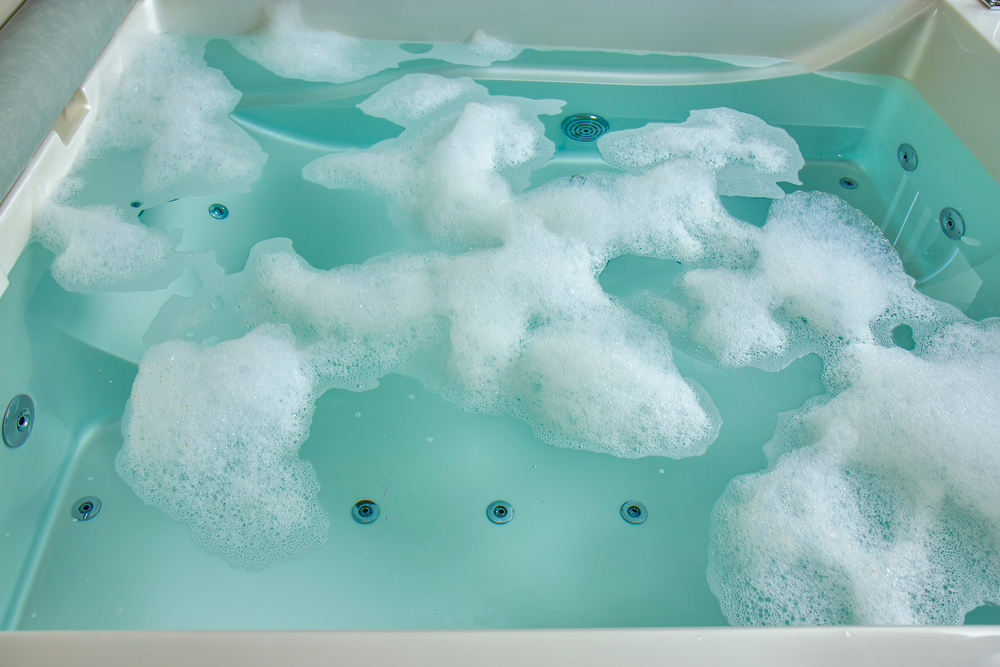
There are a few undesirable elements that may show up in your hot tub from time to time, and a good example here is foam. While foam isn’t usually much of a risk in terms of health or skin concerns (it can be in very extreme situations, but isn’t usually), it’s often annoying to many homeowners and, perhaps more importantly, it can create a few issues with long-term hot tub maintenance or lifespan.

As top providers of custom gunite spas and other top hot tub materials, we at Packman’s Pools are here to assist many clients with these and related themes for upkeep and care of their spas. Why does foam sometimes collect in a hot tub, and what can be done to either prevent this from happening in the first place or to remove it once it’s present? This two-part blog series will cover the full picture.

hot tub foam causes

Standard Causes of Hot Tub Foam

In many cases, foam in the hot tub will be caused by standard interactions between the chemicals on your skin and the water itself. Here are some examples of this:

  • Body oils or lotions: When you enter the hot tub, your skin will of course bring with it any oils or lotions that were applied earlier in the day. In some cases, these can cause foaming when they mix with the water and other chemicals.
  • Detergents: If you happen to use any sort of detergent on your swimsuit or towel before getting in the hot tub, this can also sometimes lead to foaming (again, as a result of reactions with the other chemicals in the water).
  • Hair products: Similarly, any hair products that you use – shampoo, conditioner, hairspray, etc. – can cause foam to form when they come into contact with the water.
  • Perfumes or makeup: Perfumes and makeup can also sometimes lead to the formation of foam, as they often contain ingredients that can mix with the water in unique ways.
  • Drinks: If you happen to bring any drinks into the hot tub with you (a beer or cocktail, for example), the foam from these can also sometimes lead to an increased level of foaming in the water.
  • External factors: Finally, there are also a few external things that can cause hot tub foam. For example, if there’s a lot of wind blowing around outside and stirring up the water, this can sometimes lead to more foam being created. Likewise, if there’s a lot of dust or particulate matter in the air, this can also cause foam to form in the hot tub.

Biofilm

There’s another possible cause of hot tub foam that you should know about, however: Biofilm, which refers to bacteria or other microorganisms that stick to the surface of something (in this case, the surface of the hot tub). In some cases, biofilm can lead to foaming, as well as other problems like bad smells or skin irritation.

Not to fear, though: In part two of our series, we’ll go over basic remedies for these foaming causes, plus how to avoid them in the future. To learn more about this or any of our hot tub or swimming pool services, contact the experts at Packman’s Pools today.

Swimming Pool Shocking: Salt Water Needs and Safety Precautions

In parts one and two of this multi-part blog series, we’ve gone over some of the various tips and steps for shocking your swimming pool. Referring to a process where you add chlorine or another chemical to sanitize your pool’s water, pool shocking is an important need for many pools that helps keep them clean and healthy at all times.

At Packman’s Pools, we’re here to not only provide fantastic swimming pool design and swimming pool construction services, but also to assist our clients with basic forms of care and maintenance for their pools. In today’s final entry into our series, we’ll go over some basic safety tips to ensure you’re following while shocking your pool, plus a quick word on shocking the pool if you have a salt water pool instead of a freshwater pool.

swimming pool shocking salt safety

Salt Water Shocking

If you own a salt chlorinator or any other form of salt water pool system, you may be wondering whether you still have to shock your pool. The simple answer: Yes, you do.

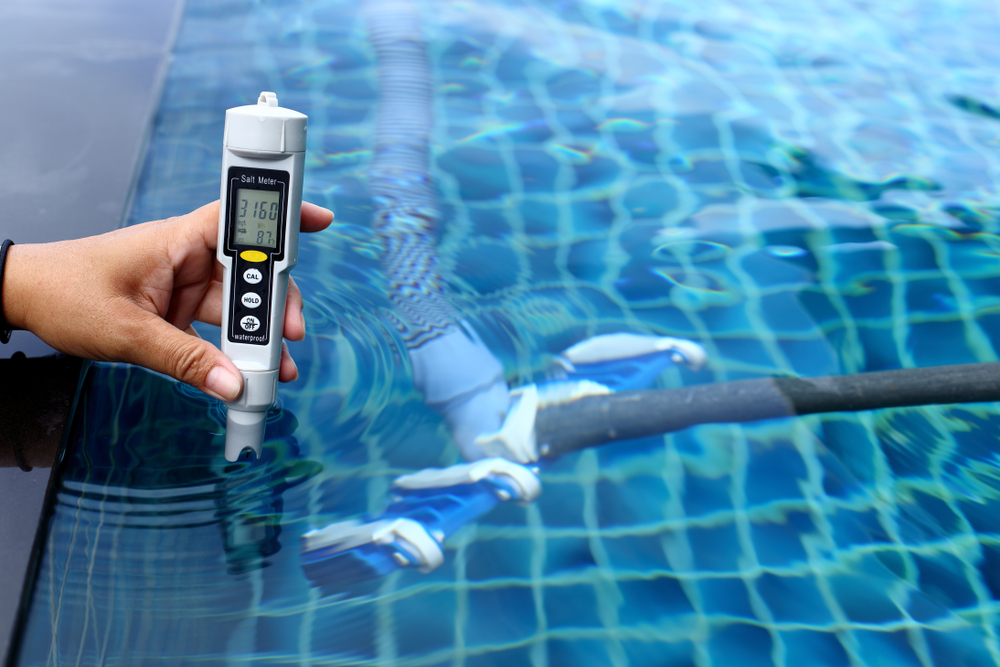
This is because these pools still use chlorine in the same way a standard pool does. The salt just acts as an electrolyte, letting you use less chlorine than would otherwise be needed to produce the same level of sanitation. Salt water systems are generally considered better for your health and also easier on your pool’s equipment, but it still needs the chlorine shock once every so often in order to keep things stable.

Safety Precautions to Take When Shocking Your Pool

Because you’ll be dealing with concentrated chemicals and your pool’s filter system, there are several safety precautions to take when shocking your pool.

First, make sure no one is in the pool. Even if it isn’t full, you don’t want anyone falling in while using dangerous chemicals. Next, close off all of your equipment. This includes the skimmer(s), any return lines that go back into your pool, and the pool pump. You’ll also want to close the filter system’s valves.

If you’re using chlorine to shock your pool, add it to the skimmer and let it circulate for at least four hours before returning the equipment to service. If you’re using another form of sanitizer, follow the manufacturer’s instructions. You should always be wearing both protective gloves and goggles when shocking your pool.

Finally, keep an eye on the water color and clarity. If it becomes cloudy or murky after shocking, you may need to repeat the process. Similarly, if the water is still a green-ish color after shocking, it may mean that the chlorine or sanitizer you’re using isn’t strong enough. In this case, you’ll need to increase the dosage and shock your pool again.

If you have any questions about pool shocking or any other aspect of pool care, don’t hesitate to contact us here at Packman’s Pools.

Swimming Pool Shocking: Frequency and Waiting Times

In part one of this multi-part blog series, we went over some of the initial basics on “shocking” a swimming pool. Referring to a product and a process where chlorine and other chemicals are used to clean and sanitize the water in a pool, shocking — also called superchlorinating — kills off numerous contaminants, including bacteria, algae and others.

At Packman’s Pools, we’re here to not only offer high-quality swimming pool construction and design services, but also to help our clients maintain and care for their pools for years into the future. Today’s part two of our series will go over how frequently you should be shocking your pool, plus a couple other important areas to be aware of.

swimming pool shocking frequency

Pool Shocking Frequency Recommendations

As you may have guessed, the specific answer to the question of how often you should shock your pool depends on a number of factors. These will include how often the pool is used, who uses it, how often the pool sees rain or other weather events, and possibly other issues.

Generally speaking, though, we recommend shocking the pool about once every one or two weeks during primary swim season. In addition, those who own pools that get regular use during the summer can also purchase test kits that will let them know when it’s time to shock their pools.

In addition, the pool should be shocked when it’s first opened up for the spring after a winter of inactivity, and when it’s closed down in the fall for the winter. Failing to shock a pool during these times can lead to contamination and other problems, so we recommend taking action even when you don’t see any contaminants in your water.

How Soon Can I Swim After Shocking?

Once again, the answer here depends — in this case, primarily on the type of pool shock being used (we’ll go over this in more detail in part three of our series). Generally speaking, though, different pool shock products will list the required waiting time on their labels so that the product can work effectively.

In our experience, though, most pool shock products will require a waiting period of about two to four hours before swimming once they’re applied to the water in the pool. Some types of pool shock, particularly calcium hypochlorite-based shocks that are designed to be used with pools having low calcium hardness levels, may require up to 12 hours. If you’re not sure about the waiting time for your particular type of pool shock, it’s best to check with the manufacturer or your local pool professional before swimming. And in many cases, we recommend adding an hour or two to the advised time, just to be safe.

For more on swimming pool shocking, or to learn about any of our swimming pool design or construction services, speak to the pros at Packman’s Pools today.

Swimming Pool Shocking: Basics and Timing

There are a few concepts that pool owners will be considering as they look to maintain their swimming pool and keep it clean, and one of these is pH balance. Between chlorine and other chemicals that may be involved in sanitizing your pool and its water, it’s possible for pH levels to get out of whack — and one process that may be used to remedy this situation is known as shocking the pool.

At Packman’s Pools, we’re here to assist clients not only with the planning and design of a fantastic swimming pool, but also with important themes for cleaning and sanitation. What exactly is shocking a pool, what happens when you shock your pool, and when and how should you be going about this process? This multi-part blog will go over everything you need to know.

swimming pool shocking basics timing

Pool Shocking Basics

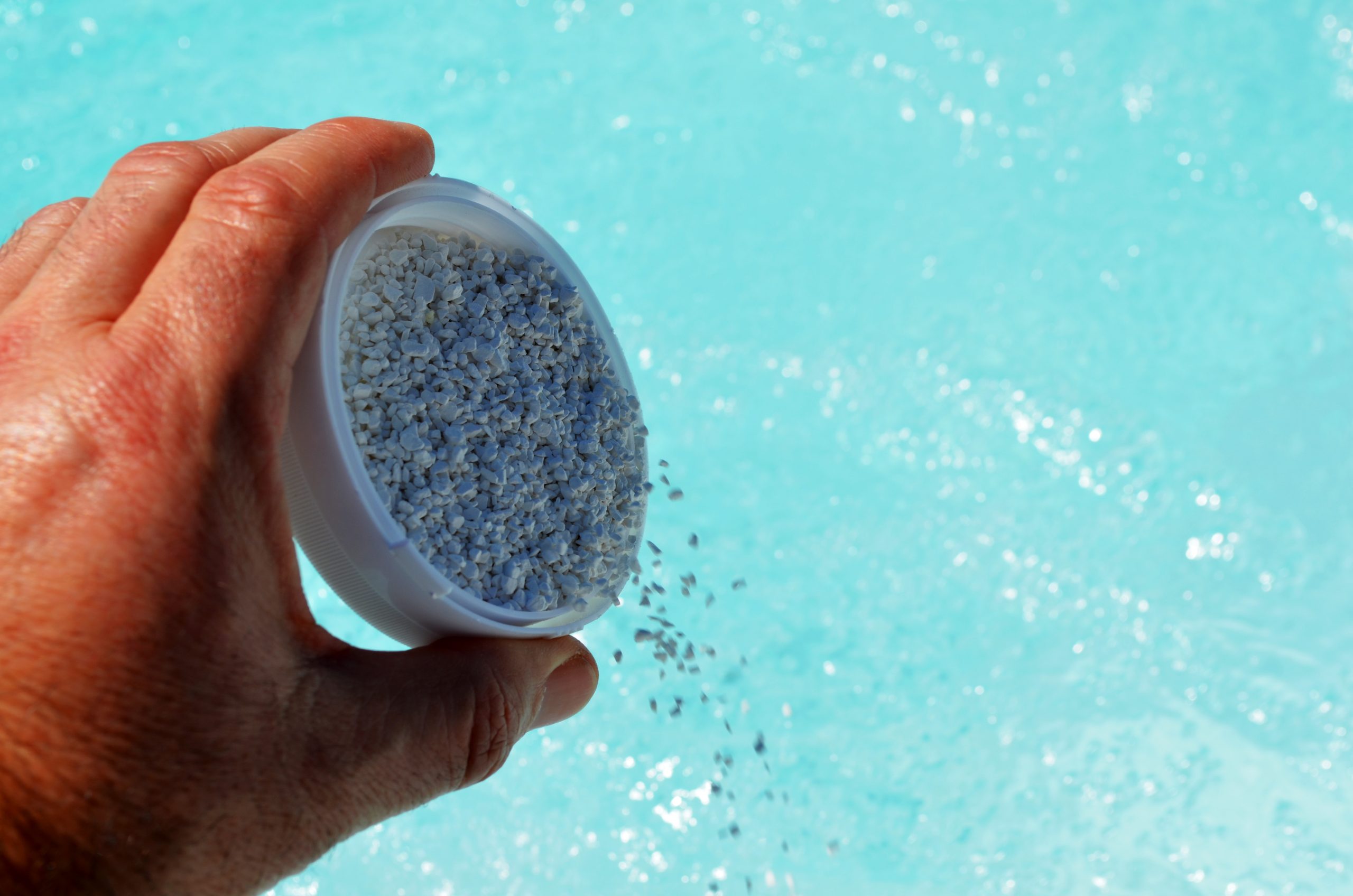
The term “pool shock” refers to both a product and a specific process. The product in question is typically a form of chlorine, or other chemicals that are used to clean or sanitize the water of your pool. The process is known as superchlorinating, and it helps to shock the water of your swimming pool into a state where chlorine levels are increased for a short period of time.

This allows the pool to be properly cleaned from top to bottom, killing off any bacteria, algae, and other contaminants that may have accumulated. If your pool is not superchlorinated enough or with the correct form of chlorine, it can cause problems in the long run.

What Pool Shock Does to Your Pool

When you apply shocking products to a pool, its job is to fight off chloramine and other contaminants that may have made their way in. In addition, it will also heavily increase the levels of “free chlorine” in your pool water. This is an important distinction, because it’s not the same thing as free chlorine levels in isolation.

When you shock your pool, two actions will take place: 1) It will destroy organic compounds that are responsible for chloramine formation; 2) It will oxidize nitrogen compounds into harmless nitrate particles. This helps to get rid of contaminants that can’t be completely removed by normal chemical sanitization, but that will eventually cause problems in the long run.

In addition, this process will turn harmful chloramine into a gas, which will evaporate into the atmosphere.

Timing for Pool Shocking

If you’ve decided it’s time to shock the pool (more on shocking frequency in part two of our series), the ideal time tends to be at night. This is for one primary reason: Chlorine can be neutralized by UV rays from the sun, meaning you’ll have to add more chlorine within a few days.

However, the pool water won’t be exposed to direct sunlight during this process if you do it at night, and with no UV rays or wind around, it’ll allow for maximum chlorine action.

For more on shocking a pool, or to learn about any of our swimming pool products or services, speak to the staff at Packman’s Pools today.

SLC Pool Frog Prevention: Fencing, Covering, Pool Floats

In part one of this two-part blog series, we went over some basics on how to keep frogs and other small animals away from your swimming pool. While these creatures aren’t directly harmful to humans, they can carry diseases around and are also commonly an annoyance for those who spend lots of time in the pool area.

At Packman’s Pools, we’re happy to offer a wide range of expertise and assistance themes for any of our swimming pools or custom spas in Salt Lake City. Have you noticed a greater presence of frogs or any other smaller water-adjacent creatures in or around your pool area? Here are some general tips on helping minimize their presence without hurting them or inconveniencing yourself.

pool frog prevention fencing

Barrier Fencing

Fencing is another good option when it comes to keeping animals away from your pool, but you want to ensure you go with the right fencing type here. Standard slat wooden fences, for instance, won’t do much to keep frogs or other small animals out of your pool. Most likely, they’ll be able to scurry right through the slats before you know it.

High-density polyethylene pipes are a much better choice for fencing, since they’re more solid and ensure that little creatures won’t be able to squeeze their way through.

Pool Covering

Covering the pool when it’s not in use is valuable for several reasons, and prevention of animal incursion is one of them. Covering the pool keeps it clean and ensures that there are no stray leaves or other debris potentially falling into your water. It also helps keep out any frogs, snakes, birds, mice, wasps, mosquitos, bees, toads and other small creatures whose presence could pose a problem for you or your loved ones.

When purchasing a pool cover, look for those made of strong material like PVC. They also act as insulation when the weather is cooler, helping reduce how often you’ll want to heat or otherwise use your pool.

Pool Floats

Frogs are considered prey animals, meaning they have protective instincts that will tell them to stay far away from anything they perceive as a predator. For this reason, you may consider placing scary-looking pool floats around the perimeter of your pool. For instance, prop one or two inflatable alligators around to deter any frogs from getting too close to the water.

You might also consider placing a scary-looking toy shark in the pool. In reality, small amphibious creatures have no reason to fear them – but they’ll still give off an air of danger to any frog or other small animal, and they won’t want to come near them.

For more on how to keep frogs and other small animals away from your pool, or to learn about any of our swimming pool design or construction services in Salt Lake City or any other part of Utah, speak to the team at Packman’s Pools today.

Swimming Pool Waterfall: Pros, Cons and Cleaning Tips

In part one of this two-part blog series, we went over some general basics on swimming pool waterfalls and how they’re often used. Also often called grottos, pool waterfalls are becoming more and more popular as additions to modern-day pools – both for their aesthetic value and their multiple areas of practical use within the setup.

At Packman’s Pools, we’re here to help with numerous areas of custom swimming pool design and construction, including for those who desire a pool waterfall or some similar type of feature as part of their setup. If you’re considering this theme but aren’t sure whether to pull the trigger, today’s part two of our series will go over the benefits and drawbacks of these installations, plus some basic cleaning and maintenance tips if you do decide to move forward with a pool waterfall.

swimming pool waterfall pros cons

Benefits of Pool Waterfalls

There are several key reasons you might consider installing a pool waterfall, including the following benefits:

  • Basic aesthetics: Waterfalls make your pool setup look luxurious and classy.
  • Water circulation: This adds several practical benefits, from improved filtration through reduction of algae buildup and even cooling in hot climates.
  • Increase in the “play” or leisure are of the pool, when designed correctly.
  • Blocking or muffling background noises, such as nearby traffic, pool equipment or surrounding animals.
  • Oxygenation: Falling water also often oxygenates a pool, which removes harmful particles and supplements filtration.

Possible Drawbacks of Pool Waterfalls

Now, there are a few potential drawbacks of pool waterfalls for some pool owners, including the following:

  • Maintenance and cleaning: Waterfalls create an additional cleaning and maintenance need, one that gets larger the bigger the waterfall is. There are several variables here, from the actual waterfall itself to its pump and various crevices that dirt may build up in.
  • Erosion: Artificial rocks or other structures may erode over time, especially if you have saltwater in your pool.
  • Weather damage: The risks of weather damage are higher for pool waterfalls due to exposure.

If any of these seem like concerns that aren’t worth it to you, you should consider whether installing a pool waterfall is really ideal.

Basic Cleaning Tips

If you do decide to install a pool waterfall, how should it be cleaned? Ideally, all you’ll need is a scrubbing brush and some dish soap, which you’ll use to clean all the sections of the waterfall. First, be sure to turn off the waterfall and drain it completely before you begin cleaning – you also might be able to detach certain components and clean them individually. If you need a little water pressure, use your garden hose or perhaps even a pressure-washer for this need.

For more on swimming pool waterfalls, or to learn about any of our swimming pool design or construction services, speak to the staff at Packman’s Pools today.

Swimming Pool Waterfall: Basics, Costs, Alternative Uses

At Packman’s Pools, when we say “custom” pool builds, we truly mean it. Our custom swimming pool design and construction services are utilized by clients to create unique, one-of-a-kind pool setups, featuring numerous potential design elements, aesthetic upgrades and related themes.

One feature of a pool design that’s become more and more popular over recent years for several reasons: A pool waterfall, which adds both aesthetic and practical value to any pool setup. What defines a pool waterfall, what does this sort of addition to your pool design typically cost, and what are some of the general pros and cons of a pool waterfall for your situation? Here are several themes to keep in mind.

swimming pool waterfall costs

Pool Waterfall Basics and Design

Most of us know what waterfalls look like, and pool waterfalls conform here within a few specifics. Also sometimes called grottos, pool waterfalls will have a few shared features:

  • They will start above the overall waterline of the pool
  • Water will flow over the edge through powered pumps

Beyond these basic characteristics, however, pool waterfalls can vary significantly. They come in varying shapes and sizes, plus utilize several different natural (rocks) or artificial (concrete, brick or synthetic) materials for the actual structures. They can be integrated into elevated tanning ledges or spas, also.

An additional consideration here: Maintenance, which tends to be a bit higher for pools with waterfalls. Their internal pump components may require a bit more upkeep than other pool fixtures, for instance, and any walls or structures must be kept in good shape.

Cost Considerations

Costs of a pool waterfall addition will vary pretty significantly depending on the waterfall type, where it’s being built, it’s size, and several other factors. Standard cascade waterfalls, the type that are usually built into the side of a pool or into a separate raised wall, will generally run between $1,000 and $4,000 depending on size, but there are also other custom models or setups that will be much pricier.

In addition, the maintenance areas we went over above add some costs to your operational needs. Plan for around $30-$50 per month in additional maintenance costs for a standard waterfall, or more for a specialized custom waterfall.

Alternative Uses

One major part of the value of a pool waterfall is the several additional or alternative uses it’s good for:

  • Tanning ledge: Waterfalls can be used in several ways on tanning ledges, including being built into the ledge itself.
  • Spillways: If you want, your waterfall can flow down from an elevated spillway, including one from a story or two up.
  • Retaining walls: Waterfalls are often built into retaining walls around the pool, offering higher elevation.
  • Spa or hot tub: You have numerous options here, from waterfalls flowing into a spa or hot tub to options where the waterfall flows out of the hot tub.

For more on installing a waterfall as part of your custom swimming pool, or to learn more about our pool design and construction services, speak to the staff at Packman’s Pools today.