Category Archives: Tips

How to Lower pH in a Swimming Pool: Simple Steps

There are a few key elements that play a role in the operations of a swimming pool, and chemical balance is one that it pays to keep an eye on. One common example is your pool’s pH level, and a frequent need from some pool owners is to lower their pH level – why are pH levels important, and how do you lower pH in a swimming pool if your levels are too high?

At Packman’s Pools, our swimming pool contractors are here to help with a huge range of swimming pool design, construction and maintenance around Salt Lake City and nearby parts of Utah – including help with chemical levels and pH balance. Here are some basics on what pH levels are and why they matter in your swimming pool, plus how to lower them if you find they are too high.

How to Lower pH in a Swimming Pool: Simple Steps

What is Swimming Pool pH?

For those just learning about pool chemistry, pH refers to the level of acidity or alkalinity in your swimming pool’s water. It is measured on a scale from 0 to 14, with 7 being neutral – anything below 7 is considered acidic and anything above 7 is considered alkaline. Most experts recommend keeping your pool’s pH levels between 7.2 and 7.8 for optimal safety and comfort.

Why Does Swimming Pool pH Matter?

Maintaining proper pH levels in your swimming pool is essential for several reasons:

  • Comfort: When the pH level of your pool water is too low (acidic), it can cause skin and eye irritation for swimmers.
  • Safety: Low pH levels can also damage pool equipment and surfaces, leading to expensive repairs.
  • Sanitation: If the pH level is too high (alkaline), it can reduce the effectiveness of chlorine or other sanitizers, allowing harmful bacteria and algae to thrive in your pool.
  • Water Balance: pH levels are closely tied to the overall water balance of your pool. Imbalanced pH levels can lead to cloudy or discolored water, making it less inviting for swimmers.

How to Test and Adjust Your Pool’s pH Levels

To ensure your pool’s pH levels are within the recommended range, you should test them regularly using a pool testing kit. These kits typically include strips or drops that change color when exposed to your pool water. The color corresponds to a pH level, which you can then compare to a chart provided with the kit.

If your pH levels are too low (below 7.2), you will need to add a basic substance such as sodium bicarbonate or soda ash to raise them. If they are too high (above 7.8), you will need to add an acidic substance like muriatic acid or sodium bisulfate to lower them.

Following Manufacturer Steps

If you find that your pool’s pH levels are too low, this could lead to issues like irritated eyes, corroded metal parts and chlorine instability. Luckily, remedying it simply requires following a few steps recommended by your pool’s manufacturer. These typically include adding the necessary amount of sodium bicarbonate or soda ash to increase pH levels, and then waiting for at least six hours before retesting and making any additional adjustments as needed.

Alternative Methods

Some pool owners may prefer alternative methods for managing their pool’s pH levels, such as using natural products like baking soda or vinegar. These options can be effective, but it is important to carefully measure and adjust the amounts used to avoid overcorrecting or causing imbalances in other chemical levels.

At Packman’s Pools, our swimming pool contractors are here to help clients around SLC and nearby parts of Utah with all their swimming pool needs, including maintenance themes like pH balance and more. Contact us today to learn more about our range of services and how we can help you keep your pool in top condition all year round.

Hot Tub Foundations: Concrete Alternatives

In part one of this two-part blog series, we looked at some of the basic factors to be considering when choosing a hot tub foundation, plus why concrete is the most common material utilized for this need. A foundation helps with everything from hot tub convenience to efficiency, longevity and more, and choosing the right material and other variables will be important here.

At Packman’s Pools, we’re here to offer a wide range of swimming pool and hot tub products and services for clients around Salt Lake City and other parts of Utah, including fiberglass hot tubs, gunite options and more. While part one of our series went over some basics and the advantages of concrete as a foundation material, today’s part two will look into certain concrete alternatives that may also be ideal for your hot tub foundation.

hot tub foundations concrete alternatives

Wood Deck

Likely the most common concrete alternative regularly used for hot tub foundations is the wooden deck, which can provide a rustic aesthetic that many homeowners love. Wooden decks are also highly versatile in terms of being able to match various backyard themes – and if you’re considering adding a gazebo or other structures around your hot tub area, this may be an ideal choice.

If you decide to go with a deck, be sure to choose a high-quality, durable wood that can withstand harsh weather conditions. You may also want to consider adding a sealant or other protective coating to ensure the wood stays in good condition for years to come.

Paving Stones

Another popular choice for hot tub foundations is paving stones, which can offer both durability and visual appeal. Paving stones are available in a variety of colors, shapes and sizes, allowing you to create a unique design for your hot tub area. Plus, they are relatively easy to install and can be replaced individually if needed.

However, it’s important to note that while paving stones may seem like an affordable option at first glance, the cost can add up quickly depending on the size of your hot tub and the area you need to cover.

Gravel

For a low-cost option that still offers decent drainage, consider using gravel as your hot tub foundation. It’s relatively simple and inexpensive to install, plus it can easily be replaced if needed. However, gravel may not be the most comfortable surface for bare feet, so keep this in mind when making your decision.

Non-Recommended Materials

On the flip side, there are also certain materials that we do not recommend using for hot tub foundations. These include dirt, sand, and grass – while they may be cheap or readily available, they offer poor drainage and can easily shift over time, causing unevenness and potential damage to your hot tub.

At Packman’s Pools, we’re happy to help you determine the best hot tub foundation material for your specific needs and preferences. Whether you choose concrete, wood, paving stones or gravel, we can ensure a smooth installation to maximize the longevity and efficiency of your hot tub. Contact us today to learn more about this or any of our swimming pool and hot tub services!

Backwashing Pool Filters: Simple Processes

In part one of this two-part blog series, we looked at some of the basics and frequency recommendations for backwashing your swimming pool’s filter. Backwashing a filter refers to the process of cleaning it out by reversing the flow of water through the system, which is important for keeping your pool water in great shape throughout the year.

At Packman’s Pools, we’re happy to offer a wide range of swimming pool design, construction and maintenance services to clients around Salt Lake City and other parts of Utah, including recommendations on simple care areas like these for any pool. In today’s part two of our series, we’ll go over the basic steps for backwashing the three most common pool filter types.

backwashing pool filters processes

Sand Filter

Sand filters, which refer to the most widely used type of pool filter, work by trapping dirt and debris as water passes through a bed of sand. After enough debris accumulates in the sand, it will hinder its ability to trap additional particles, requiring backwashing to be done. Here are the basic steps for this process:

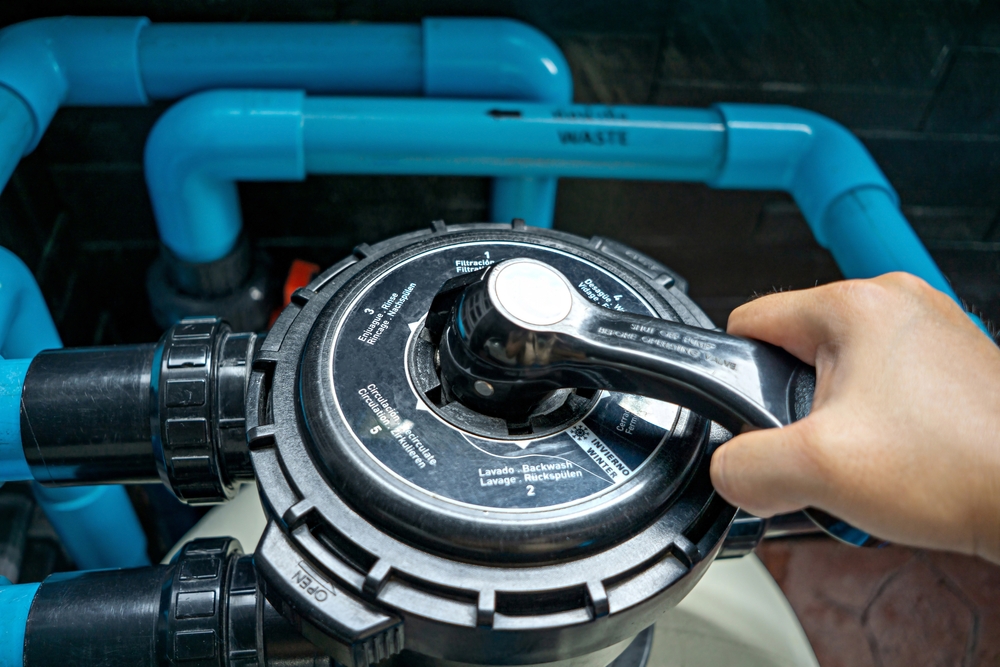
  • Pump turn-off: Firstly, you’ll have to turn off the pool’s pump. This will ensure water doesn’t keep flowing through the system while you’re trying to backwash it.
  • Attach backwash hose: There are some filters where this piece of the process will come a bit later, but for a sand filter, you’ll usually attach the backwash hose to the waste port. This will allow dirty water to flow out and away from the pool area.
  • Valve handle to Backwash position, turn back on: After attaching the hose, you’ll be able to move the valve handle to the backwash position. This will allow water to flow through in reverse, carrying accumulated dirt and debris out of the filter.
  • Rinse and resume normal operation: Once enough time has passed for water to run clear out of the waste port (usually about 2-3 minutes), you can turn the valve handle back to its original position and resume normal pool operation.

Cartridge Filter

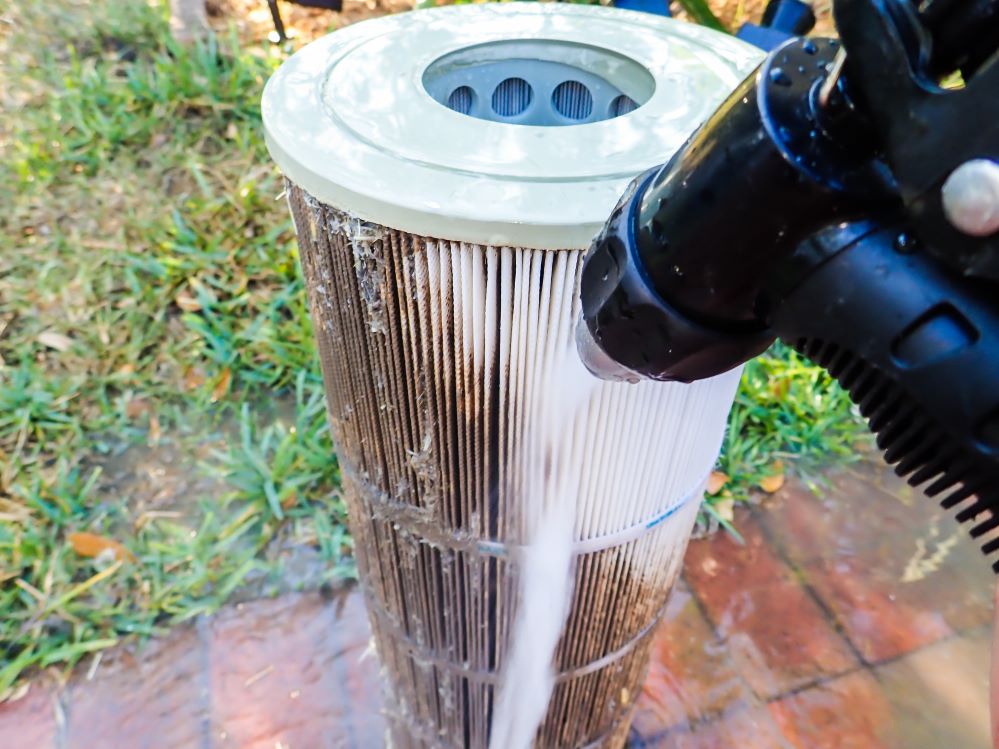
This section will be much shorter, and for one simple reason: Cartridge filters aren’t backwashed! Rather, you have to clean them out with a high-pressure hose every few weeks. Problem solved!

Diatomaceous Earth Filter

The process of backwashing a DE filter is almost exactly identical to sand filters, but with one major exception: Once the process is finished, you have to add more DE powder to your filter before turning it back on again. Be sure to consult with a professional for guidance on adding the right amount of powder, but this is generally a straightforward process.

At Packman’s Pools, our experts are here to assist you with all areas of swimming pool maintenance, from backwashing your filter to any other needs that arise. For more on this or any of our swimming pool services, speak to one of our staff members today!

Backwashing Pool Filters: Basics and Frequency

There are a few elements of a given swimming pool where cleanliness is important, and one great example here is your pool’s filter. Filters are responsible for removing contaminants from water and keeping the pool healthy, and ensuring their cleanliness periodically is important for helping facilitate these duties.

At Packman’s Pools, we’re here to help clients around Salt Lake City and other parts of Utah with all their swimming pool design and construction needs, plus tips with ongoing maintenance in important areas like these. When it comes to cleaning pool filters, one of the most common processes is known as backwashing. What is backwashing, how often does it need to be done, and how can it be carried out for the three most common types of pool filters it applies to? We’ll answer all these questions across this two-part blog series. 

Backwashing pool filters

What is Pool Filter Backwashing? 

For those just learning about this process, it’s a term used to describe the broad process of cleaning out dirt, debris, chemicals, and other contaminants from your pool filter. This is done by reversing the flow of water through the filter system, which will then push out any matter that has built up within. 

This can be an especially effective option when you’re dealing with chemical imbalances in your pool, but it also serves as a good general maintenance choice to ensure your filter is always running at peak efficiency. The process for doing this will depend on which of three filter options you have in your pool:

  • Sand filters: These are the most commonly found types of filters, utilizing a tank full of sand to catch particles and debris. 
  • Cartridge filters: Cartridge filters are a great choice if you don’t have access to large amounts of land, as they’re smaller in size and take up less room. 
  • DE filters (diatomaceous earth): Another effective filter option, DE filters use diatomaceous earth powder that captures microscopic particles from the water.

How Often Should Backwashing Be Done?

Again, this will depend on the kind of filter you have:

  • Sand filter: These filters typically need backwashing at least once every two weeks, or every ten days if your pool is particularly busy and has a lot of debris.
  • Cartridge filter: Cartridge filters may need to be backwashed more regularly, at least once every week or two, as they can clog up faster than sand filters due to their smaller size.
  • DE filter: DE filters require backwashing whenever pressure reads 8 PSI or more above the normal range – typically once or twice a month.

In part two of our series, we’ll go over some basics on how to backwash each of these pool filter types. At Packman’s Pools, our experienced team of pool engineers and building professionals can provide helpful advice on everything from the ideal filter type for your needs to how to maintain it over time. Contact us today or visit our website for more information! 

Gunite and Pools: Creation and Maintenance

In part one of this two-part blog series, we looked at the use of gunite material in pools and some of its key benefits. Gunite, a specialized form of concrete, has become more and more popular for pools in recent years, and there are several reasons for this.

At Packman’s Pools, we’re happy to offer the best variety of gunite swimming pools and other pool and spa options to clients around Salt Lake City and nearby areas of Utah. Today’s part two of our series will give you some insight into how gunite pools are made and their curing process, plus what to expect from a maintenance standpoint if you move forward with a gunite option.

gunite pools creation maintenance

Process of Creating a Gunite Pool

Generally speaking, the process for a gunite pool will be similar to most other pools. Here are the basic steps that will be followed:

  • Dig or excavation: Before the gunite can be added, a hole needs to be dug for the pool shape. This is done with heavy machinery that may vary, including backhoes and dump trucks.
  • Plumbing and wall reinforcement: Before the gunite is added, plumbing and electrical work need to be put into place. Once that is done, a metal wall will be added as reinforcement around the pool area for stability.
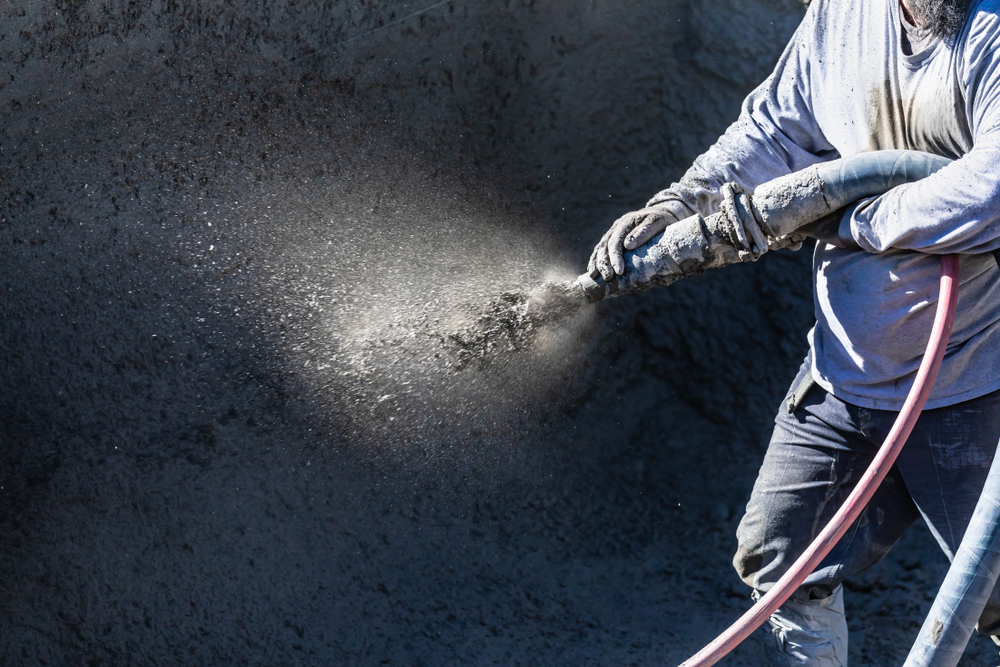
  • Gunite application: Gunite is a cement mixture made out of sand, water, and cement powder. It’s applied through a hose called a shotcrete machine which sprays it onto the surface. One of its benefits is its ability to be applied in stages, rather than all at once – it can even be done several days apart and still create a uniform, attractive surface.

Curing

One important thing to remember with gunite is that it requires a significant curing period before the pool can be finalized and used. Generally, this period will be about one month. During this time, the pool can’t be filled with water and should not be disturbed in any way. During this curing period, the gunite will harden and become less porous, which is important for a long-lasting pool surface.

Maintenance

Once your gunite pool is finished and ready to use, it’s important to understand that it will require regular maintenance to keep it looking great. This includes brushing and vacuuming the walls and floor of the pool regularly, as well as skimming debris off the surface – all things you’ll need to do with any type of pool. Additionally, gunite is more prone to algae growth than other types of pools, so proper chemical balance should be monitored regularly and weekly shock treatments are a must.

If you’re looking for an attractive, long-lasting pool option, gunite is definitely worth considering. At Packman’s Pools, we know the best ways to install and maintain your gunite pool, so give us a call today if you’re considering this option. We look forward to helping you get the swimming pool of your dreams!

Gunite and Pools: Basics and Pool Qualities

There are a few material terms in the realm of swimming pools that you may not be entirely familiar with, and one common example here for some clients is gunite. What does this term refer to, why is gunite a popular product for swimming pools, and what else do you need to know here if you’re considering a gunite pool? 

At Packman’s Pools, customized gunite pools are just one of numerous options we offer to clients around Salt Lake City and other parts of Utah. Let’s look at what gunite is and how you should think about it, some brief words on its history and its use in pools, and some other factors like costs, maintenance and more across this two-part blog series.

gunite pools basics qualities

What is Gunite?

In reality, gunite is a specialized form of concrete, one that uses a particular process for delivery and application. This process is also called “shotcrete” because of how it’s delivered – a high-pressure, air-propelled mixture of sand and cement that has been mixed with water. It was first developed as a construction material in the early 20th century, and it quickly gained popularity due to its durability, strength and resistance to fire, chemicals, and other environmental factors.

Gunite’s use in swimming pools has grown over the years as well, due to its customizability – while it’s still a concrete material, gunite can be molded into any shape of pool that you’d like, with personalized features like steps, benches or even built-in spas. It also has a longer lifespan than other forms of pool construction, as well as an attractive finish.

Gunite and Pools

While gunite itself has existed since the early 1900s, it began being used in swimming pools since the post-World War II housing boom of the mid-20th century. Since then, it has become a popular choice for pool creation – and especially so in more recent years thanks to advances in pool technology, which makes customization easier than ever before.

Benefits of Gunite as a Pool Material

Gunite comes with a number of benefits and advantages when it comes to pool construction, some of which include:

  • Customizable design – As mentioned above, gunite can be easily molded into any shape that you would like for your pool. This includes curves, steps or spas.
  • Durable material – Gunite is a strong material with great structural integrity, making it both long-lasting and resistant to most environmental factors.
  • Attractive finish – Gunite has a smooth and attractive finish which can add an extra layer of beauty to your pool.

These are just some of the benefits that come with using gunite as your pool material. In our next blog post, we’ll talk about things like the manufacturing and curing process for gunite pools, plus their maintenance and some related themes.

At Packman’s Pools, we specialize in custom gunite pools and are more than happy to answer any questions that you might have. Contact us today to get started on your own personal dream pool!

Automatic Swimming Pool Covers: Basics and Benefits

There are a few additional components you might be considering for your swimming pool setup, and a cover is naturally often on this list. Automatic pool covers have been growing in popularity among pool owners in recent years – what exactly do these covers do, and why might you consider going this route? 

At Packman’s Pools, we’ll discuss every element of swimming pool planning and design with our clients around Salt Lake City and other parts of Utah, including covers and other components. In this two-part blog series, we’ll discuss everything you need to know about automatic pool covers – today’s part one will go over what they do and their key benefits, while part two next time will go over some of their possible downsides or additional considerations to keep in mind.

automatic swimming pool covers benefits

How Automatic Pool Covers Work

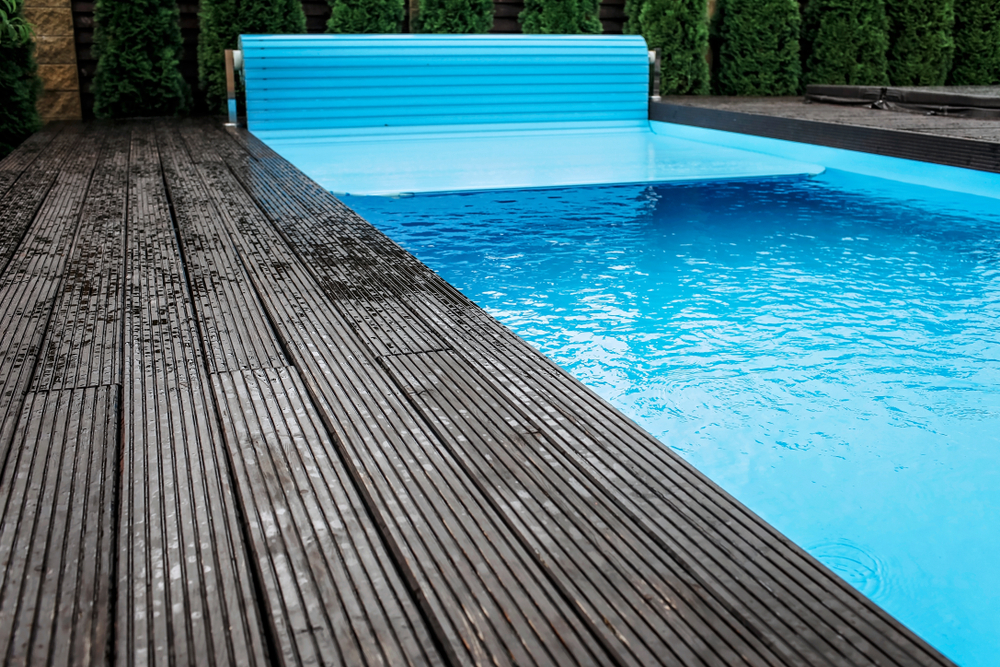
As their name implies, automatic pool covers operate via an automated system to cover and uncover the pool. This involves a motorized reel along with tracks that run between two sides of the pool. The cover itself is made from extremely sturdy and durable PVC fabric, designed to resist damage from sun exposure and other elements.

What are the key benefits of an automatic cover for your pool? Our next several sections will take a look.

Safety

One of the chief benefits of an automatic cover is safety. The thick PVC fabric used in these covers makes it almost impossible for anyone to get into the pool without first taking off the cover, which can prevent accidents and provide peace of mind.

Furthermore, the automatic nature of the cover makes it easier to use – instead of manually putting on and taking off a winter or safety cover, you can simply press a button. This is especially helpful if your pool is in an area with unpredictable weather which requires frequent covering and uncovering.

Water Conservation

Another major benefit of an automatic pool cover is water conservation. Pool covers can significantly reduce evaporation from your pool, conserving hundreds or even thousands of gallons of water each year – this can be especially important for those in climates with frequent droughts and other challenges.

Cleaning and Chemical Balance

Having an automatic cover also makes it easier to keep your pool clean and balanced. The cover prevents dirt, debris, and other elements from entering the pool while still allowing light through – this can help you maintain a better chemical balance in terms of pH and chlorine levels, reducing the amount of time you spend on maintenance.

In part two of our blog series on automatic pool covers, we’ll go over some of the potential downsides to consider when making your decision. To start discussing your swimming pool setup, contact Packman’s Pools in Salt Lake City or other parts of Utah today!

Hydrotherapy and Hot Tubs: Who It’s Useful For

In part one of this two-part blog series, we looked at some of the basics on hydrotherapy within hot tubs and how it’s utilized. There are several forms of hydrotherapy, or the use of heated water to help with relief from pain, and a hot tub is typically considered one of the most effective ways of achieving hydrotherapy needs. 

At Packman’s Pools, we’re a proud provider of both gunite and fiberglass hot tub options for varying client needs around Salt Lake City and other parts of Utah. Here in today’s part two of our series, we’ll shift gears a bit and look at the groups of people who hydrotherapy via hot tub tends to be ideal – and what you should be thinking about when purchasing a hot tub if you’re part of any of these groups and looking for quality hydrotherapy benefits.

hydrotherapy hot tubs useful

For Seniors or Older Adults

One of the groups that can experience the most benefits from hydrotherapy are those over 65 – for a variety of reasons. Not only does warm water provide a great form of gentle exercise, but it’s also been found to reduce joint pain and muscles aches as well as promote better blood circulation.

Hydrotherapy also aids in improving sleep quality, which is especially important for the elderly population who can have difficulties sleeping. This increased relaxation can help with any stress or anxiety a senior might be feeling, and also help improve overall wellbeing.

For Those With Arthritis

While it’s true that arthritis is more common among seniors, we wanted to give this area its own section because arthritis can also impact younger generations. For those who suffer from arthritis, the warm water of a hot tub can be especially beneficial for soothing stiff joints and providing relief from pain or discomfort.

The buoyancy of the water also provides less pressure on the body, making it easier to move without as much resistance – so if you’re struggling with arthritis, having a hot tub in your backyard can provide you with the comfort and support necessary to move freely.

For Athletes

Another group that can benefit from hydrotherapy in a hot tub are athletes. Though it’s not always the first choice of treatment, athletes have recognized the benefits of warming up and cooling down with hot water therapy – as well as helping to reduce muscle fatigue during periods of intense training.

Hydrotherapy has also been found to increase flexibility and make muscles more resilient, helping to prevent any injury or soreness after a tough workout.

General Pain, Health and Wellness

Finally, in addition to the specific groups mentioned above, hydrotherapy is beneficial for anyone who’s looking to improve their overall health and wellness. The hot water can help relax both body and mind, leading to better quality of sleep as well as a decrease in stress levels.

Hot tubs have also been proven to provide relief from general aches and pains – making it a great solution for those who experience frequent or chronic pain.

Overall, hydrotherapy in hot tubs can be an excellent way to help improve your overall quality of life – so if you’re considering investing in one, contact Packman’s Pools today to learn more about the various options we have available. We’ll be more than happy to answer any questions you may have and provide the right hot tub for your situation.

Hydrotherapy and Hot Tubs: Basics and Types

A variety of people may have a need to reduce their aches, pains and other discomfort, and one method that’s becoming more and more popular for doing this is known as hydrotherapy. Hydrotherapy involves the use of warm water immersion to soothe muscles, joints and other possible pain areas, and the use of hot tubs and spas for hydrotherapy is one of the most common formats. 

At Packman’s Pools, we’re here to offer a wide range of custom-built Gunite spas, fiberglass hot tubs and related products for varying client needs around Salt Lake City and other parts of Utah. Hydrotherapy is an increasingly common desire among our hot tub clients – what exactly is hydrotherapy, why are hot tubs often an ideal method for utilizing it, and which groups of people tend to benefit most from it? This two-part blog series will look into everything you need to know.

hydrotherapy hot tubs basics

Hydrotherapy Basics

As we alluded to above, hydrotherapy is the use of heated water and various other techniques to provide relief from pain or discomfort. This can include joint stiffness, arthritis, muscle soreness and much more.

Hydrotherapy offers more than just pain relief, as well. It’s often used for stress relief and relaxation, as well as increasing circulation throughout the body. It can also help with muscle toning, flexibility, balance and coordination.

Types of Hydrotherapy

While this is far from a comprehensive list, here are some examples of the techniques or methods utilized within hydrotherapy:

  • Contrast hydrotherapy: For some people, alternating between hot and cooler water can help with healing and circulation. This is known as contrast hydrotherapy.
  • Watsu: A combination of the words “water” and “shiatsu,” this refers to a massage from jets of water that are designed to provide a soothing, relaxing sensation.
  • Aromatherapy: A number of different scents and oils can be added to hot tubs or pools to add an extra layer of relaxation.
  • Mineral baths: Some hot tubs are built with additional minerals such as magnesium or Epsom salt, which can help provide a benefit from the water immersion.

Why Hot Tubs Are Ideal for Hydrotherapy

As you may have already surmised while reading to this point, hot tubs are ideal for hydrotherapy because of the combination of hot water and jets. Hot tubs also offer a private, comfortable environment that is perfect for relaxation and stress relief. They allow for individuals to be immersed in a pain-relieving environment, typically without the need for assistance.

In the next part of our blog series, we’ll look into the types of people who benefit most from hydrotherapy – stay tuned! At Packman’s Pools, we have a range of hot tubs to choose from depending on your budget and needs – contact us now if you’re interested in learning more about hydrotherapy and how a custom-built hot tub can help you.

Backyard SLC Pool on a Budget: Additional Considerations

In part one of this two-part blog series, we looked at some of the pool types you might consider if you’re looking to achieve a great backyard pool design on a somewhat limited budget. There are several robust options available to you here depending on your needs and desires, and also some other factors to think about if you’re looking to keep costs reasonable. 

At Packman’s Pools, we’re here to help with a full array of swimming pool planning and design services for any Salt Lake City or nearby Utah client, including any backyard pool you’re interested in – and we’ve assisted clients with wide-ranging budgets in this area. While part one of our series went over some pool types you might consider here, today’s part two will shift gears and look at some of the other key considerations to keep in mind if you’re looking for a backyard pool on a budget.

backyard pool budget considerations

Purpose of the Pool

First and foremost, it’s important to consider the purpose of your backyard pool. Are you looking to provide entertainment for friends and family with a large body of water? Or would something more compact suffice for an exercise area? This will help determine the size and type of pool that works best for you, as larger pools are generally more expensive than smaller ones.

For instance, a standard rectangular pool might be best for entertaining guests and comes in different sizes depending on the number of people you’d like to fit inside. Other shapes, however, such as round or kidney-shaped versions may work better if your space is limited, but also keep in mind that this type of construction can sometimes require more materials cost than traditional rectangles.

Landscaping and Poolside Budgeting

As you’re designing your budget for the pool, don’t forget to factor in landscaping and other poolside elements. Do you want a beach-inspired design with sand or grass around the edges? Or is a more traditional stone or concrete area best for your space?

By finding ways to save on features like these, you can stretch your budget further while still creating a great backyard pool design. Don’t forget to also include any additional costs for items such as seating, lighting, or an outdoor shower if you’re looking to make these additions.

Long-Term Maintenance Costs

Another factor to consider is the long-term maintenance costs associated with a backyard pool. Depending on your budget and the type of pool you choose, these can vary significantly – some require periodic chemical treatments and others may need to be covered in the winter months.

Overall, if you’re looking for a great backyard pool design on a limited budget, there are a few key factors to consider. From pool types and landscaping elements to long-term maintenance costs, there are several options available that can help you create your dream backyard without breaking the bank.

At Packman’s Pools, we have years of experience helping clients of all budgets achieve their ideal swimming pool design in Salt Lake City and other nearby Utah areas. To learn more about how we can help you craft the perfect backyard pool design on a budget, get in touch with us today! We look forward to hearing from you soon.