

Many homeowners dream of owning a spa but worry about the time and effort required to maintain it. Fortunately, fiberglass spas are known for being one of the easiest spa options to care for. Thanks to their smooth, non-porous construction and durable surface materials, many common upkeep challenges associated with traditional spas are greatly reduced—or eliminated altogether.
Understanding the advantages of fiberglass spa maintenance helps homeowners see why fiberglass models are increasingly popular for low-maintenance outdoor living.
The Advantage of a Non-Porous Surface
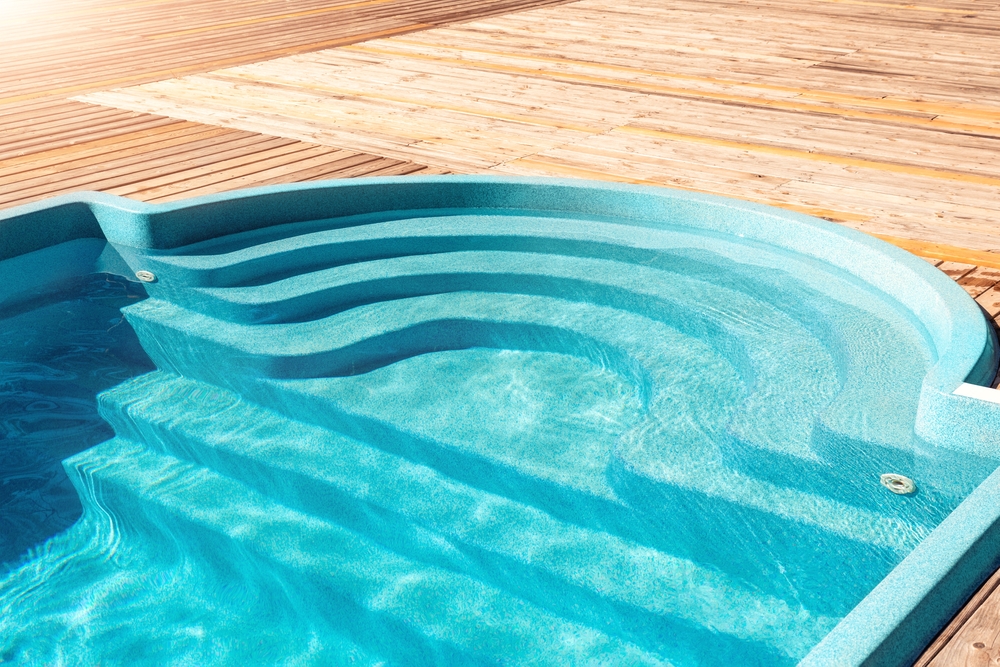
One of the biggest reasons fiberglass spas require less maintenance is their non-porous shell surface. Unlike concrete or plaster materials that contain microscopic pores, fiberglass creates a smooth barrier that resists moisture absorption.
Why this matters:
- Fewer places for algae and bacteria to grow
- Reduced buildup of dirt and contaminants
- Easier overall water management
Because the surface doesn’t absorb water, it is much harder for algae colonies to establish themselves. This minimizes the need for aggressive scrubbing and deep-cleaning treatments that are often required with porous spa materials.
The smooth finish also helps maintain cleaner water with less effort over time.
Reduced Chemical Balancing Requirements
Fiberglass spas typically require fewer chemicals and less intensive water balancing than other spa types.
How fiberglass simplifies water chemistry:
Traditional concrete or plaster surfaces can alter water chemistry by affecting pH and alkalinity levels. Fiberglass, however, is chemically stable and does not react significantly with spa water.
This stability helps:
- Reduce pH fluctuations
- Lower chemical consumption
- Simplify routine testing and balancing
As a result, homeowners spend less time adjusting water chemistry and fewer resources correcting imbalances. While regular water testing is still important, maintaining balanced water in a fiberglass spa is generally more straightforward.
Minimal Surface Repairs and Refinishing
Surface wear is another area where fiberglass spas offer a major maintenance advantage. Concrete and plaster spas often require resurfacing or refinishing after years of exposure to chemicals, temperature changes, and regular use.
Fiberglass shells are highly durable and resistant to:
- Cracking
- Surface erosion
- Staining
- Chemical damage
Long-lasting finish benefits:
- No frequent resurfacing projects
- Reduced repair costs over time
- Consistent appearance for many years
Because the finish is integrated into the shell itself, fiberglass spas maintain their smooth texture and visual appeal with minimal intervention.
Simplified Cleaning Routines
Cleaning a fiberglass spa is typically faster and easier than maintaining other spa materials.
Routine cleaning often involves:
- Wiping down smooth interior surfaces
- Skimming debris from the water
- Cleaning filters on a regular schedule
The slick fiberglass finish prevents debris from sticking easily, reducing the amount of scrubbing needed during routine maintenance.
Additional cleaning advantages:
- Fewer stubborn stains
- Less calcium buildup on surfaces
- Easier removal of oils and residue
For busy homeowners, this simplified cleaning process is one of the most attractive aspects of fiberglass spa ownership.
Less Long-Term Structural Maintenance
Fiberglass spas are manufactured as single-piece molded units, which reduces the number of joints and seams that can develop problems over time.
This construction style helps minimize:
- Structural shifting
- Leak risks from multiple connections
- Damage caused by expansion and contraction
The durability of fiberglass contributes to a more predictable ownership experience with fewer unexpected maintenance concerns.
Energy Efficiency Can Reduce Maintenance Stress
Many fiberglass spas are designed with insulation and energy efficiency in mind. Better heat retention can help stabilize water temperature, which indirectly supports easier maintenance by reducing stress on heating and circulation systems.
Consistent temperatures also help maintain balanced water chemistry more effectively.
What Maintenance Still Matters?
Although fiberglass spas are low-maintenance, they are not maintenance-free. Homeowners should still:
- Test water regularly
- Clean or replace filters as needed
- Monitor sanitizer levels
- Keep pumps and circulation systems functioning properly
Routine care ensures the spa remains safe, clean, and operating efficiently for years.
However, compared to many traditional spa materials, the workload is significantly reduced.
Why Homeowners Prefer Low-Maintenance Fiberglass Spas
For many people, the appeal of fiberglass spa ownership comes down to convenience. Homeowners can spend less time cleaning, repairing, and balancing water—and more time enjoying their spa.
The combination of:
- Non-porous surfaces
- Reduced algae growth
- Lower chemical demands
- Minimal refinishing needs
- Easier cleaning routines
makes fiberglass one of the most practical spa materials available today.
If you’re exploring premium Spas that combine relaxation with easier upkeep, fiberglass models offer a strong balance of durability, comfort, and simplified maintenance.
Contact Us Today
Fiberglass spa ownership eliminates many of the demanding maintenance tasks commonly associated with traditional spa materials. With smooth, non-porous surfaces, simplified cleaning routines, and reduced chemical balancing requirements, fiberglass spas provide a more convenient and user-friendly experience for homeowners.
By minimizing upkeep while maintaining long-term durability and appearance, fiberglass spas make it easier to enjoy the benefits of spa ownership without constant maintenance demands. Homeowners who work with experienced professionals like Packman’s Pools can enjoy a high-quality spa designed for comfort, efficiency, and simplified long-term care.