Category Archives: Tips

Prefab Swimming Pools: Choosing Concrete or Fiberglass

In part one of this two-part blog series, we went over some basics on what are known as prefab swimming pools. Referring to options that are fully manufactured in a facility before being shipped to you for installation upon purchase, prefab pools are often ideal for many homeowners when it comes to basic installation and various maintenance themes.

At Packman’s Pools, we’re proud to offer a huge range of custom swimming pool design and construction services for numerous pool formats. If you’re considering a prefab pool design of any kind, chances are you’ll be choosing between the two most common materials used for these designs: Concrete and fiberglass. Today’s part two of our series will go over some important pool variables, then discuss which of these materials is best for each area.
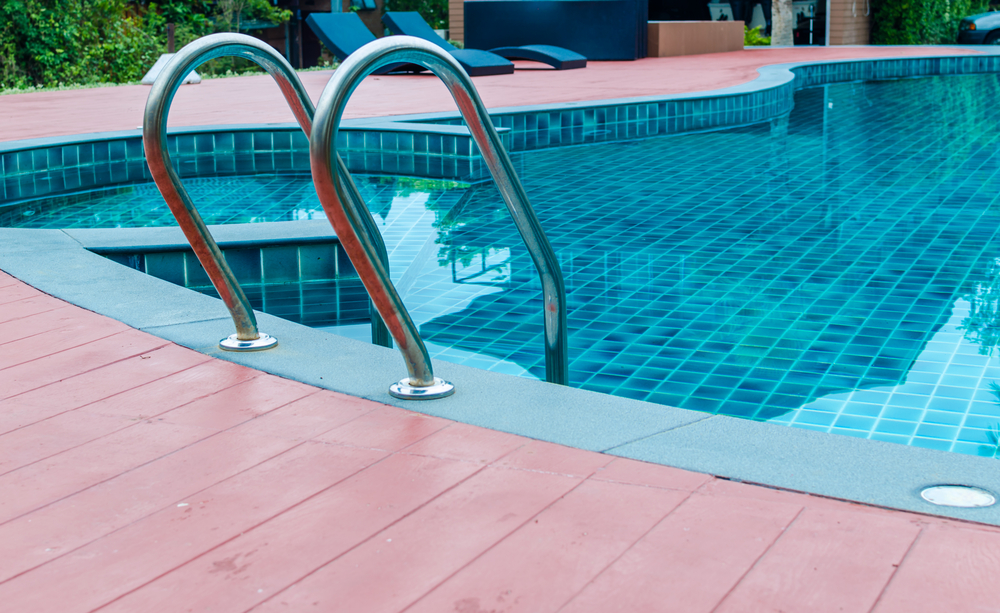
prefab pools concrete fiberglass

Flexibility

When it comes to flexibility and the ability to withstand rocking or various forms of movement, fiberglass prefab pools tend to be the preferred option over concrete. Fiberglass is much more flexible than concrete, as you may have guessed, allowing for some wiggle room in either direction – concrete, on the other hand, is extremely rigid.

This means that if movement does occur, whether due to soil shifting underground or some kind of above-ground impact, fiberglass pools have lower risk of cracking. Concrete pools are still highly durable here, but strong enough movement might lead to cracks due to their lack of flexibility.

Shape Variety

Shape variety is one area where both concrete and fiberglass options boast good variation, but once again fiberglass tends to be the overall winner here. Generally speaking, there are just fewer shape varieties out there for concrete prefab pools, which are a bit tougher to manipulate during manufacturing – on the flip side, there are hundreds of different fiberglass prefab pool shapes, sizes and depths to choose from.

Surface Options

One area where concrete prefab pools hold an advantage is in their surface options. Fiberglass pools almost always come with a gelcoat surface, which is fine for most pool owners – but if you prefer a surface like plaster, pebble or even tile, concrete is your best bet.

Maintenance Themes

However, one major consideration if you’re moving away from the gelcoat surface: All other surfaces come with some pretty significant maintenance needs, which gelcoat does not. It’s smooth and nonporous, keeping away algae and making standard cleaning incredibly easy. Surfaces like plaster or tile, on the other hand, will require a bit more in-depth care, which is fine for some pool owners but not desirable for certain others.

For more on choosing between concrete and fiberglass for a prefab swimming pool, or to learn about any of our swimming pool or custom spa services, speak to the staff at Packman’s Pools today.
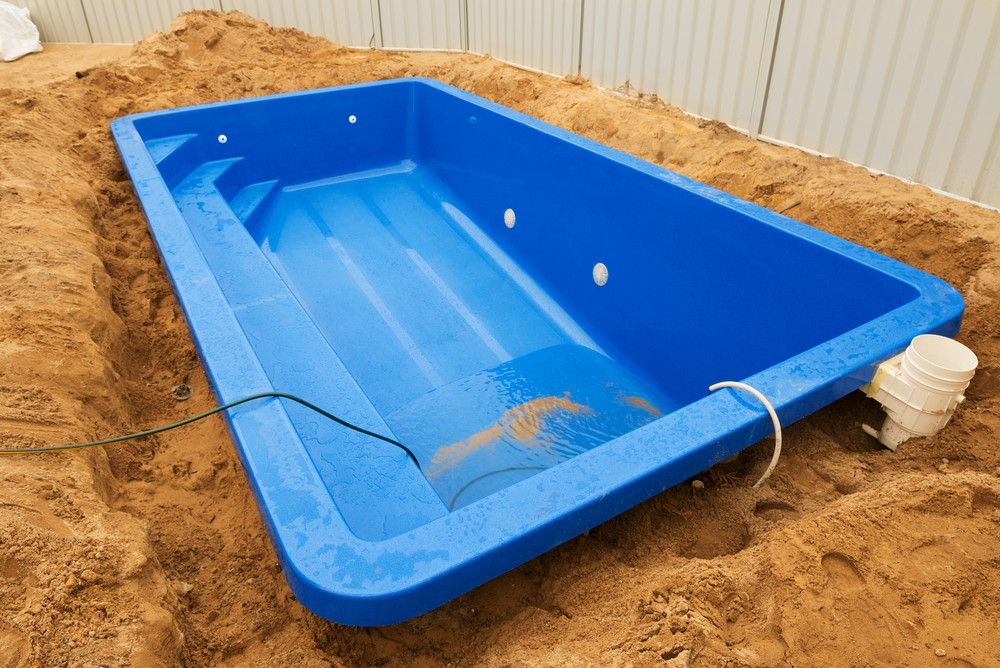
Prefab Swimming Pools: Basics, Pros and Cons

There are several areas or industries where the term “prefab” will be used, and the swimming pool and hot tub world is a good example. Referring generally to “prefabricated” products, this is a category that simply means a given product was made beforehand at some kind of facility, often in sections that are easily shipped and then put together at their final destination.

At Packman’s Pools, we’re happy to offer a huge range of custom swimming pool design and manufacturing services, plus construction in several different formats. What exactly does the prefab title mean in the swimming pool construction world, what are some of the pros and cons of this format, and which pool materials might be utilized for prefab pools? This two-part blog series will go over several important themes to be aware of.

prefab swimming pools pros cons

Prefab Pool Basics

As the broad definition we listed above indicates, a prefab pool refers to an inground or above-ground pool that’s fully manufactured in a facility before being shipped to your home for installation. In most cases, prefab pools are desirable for those who want quicker installation rather than building a pool on-site, though there are other variables at play here.

There are two primary materials used for permanent prefab pools: Fiberglass and precast concrete. We’ll go over both later in our series.

Benefits of Prefab

There are several benefits of prefab pools for those who go this route:

  • Quicker installation based on previous construction, often far quicker than other methods.
  • Less noise during the building process, including on your property.
  • Multiple installation options, including above-ground, inground and even semi-inground.
  • In some cases, cheaper due to being smaller and having fewer size limitations.

Drawbacks of Prefab

There are also some potential drawbacks of prefab pools depending on your needs:

  • They are smaller than other types, and usually cannot be larger than about 16 feet wide and 40 feet long.
  • They require a bit more maintenance because they have porous plastic surfaces. However, their tile surfaces are very easy to maintain.
  • Lifetime costs: These kinds of pools may experience certain larger costs over time, such as the need for more chlorine, more extensive cleaning demands and certain resurfacing needs in other cases. However, modern prefab pools use improved materials that make this less of a concern that it would have been even a few years ago.
  • Fewer options: Finally, for those who really want a unique pool, some prefab options are limited to certain shapes. There may be freeform designs from many manufacturers, however, another area where modern technology has improved in recent years.

For more on prefab pools and whether you should consider one, or to learn about any of our swimming pool or spa construction services, speak to the staff at Packman’s Pools today.
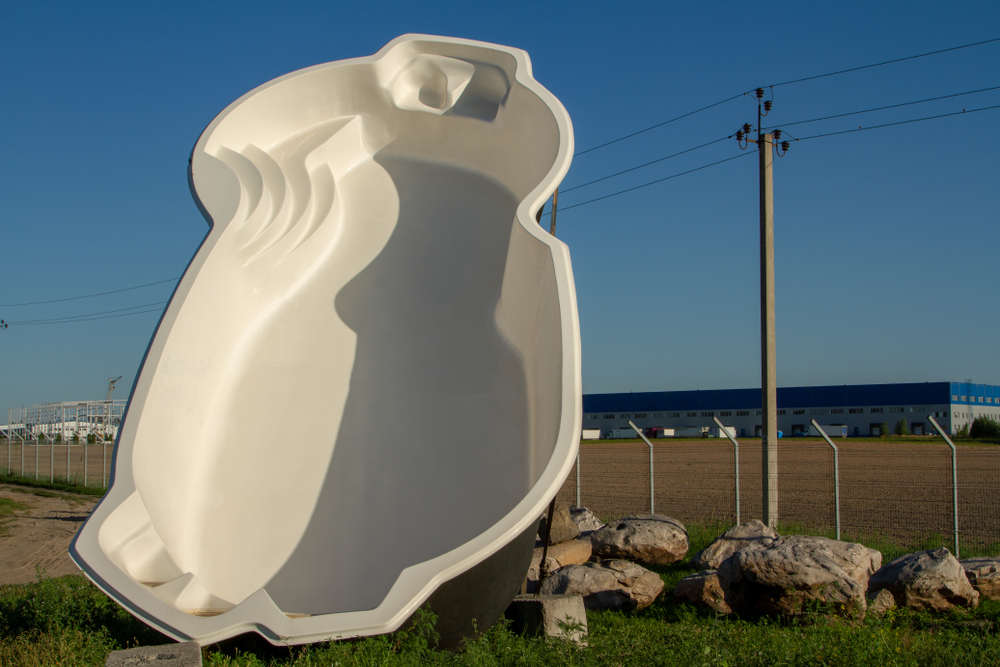
More Cold Weather-Friendly Pool Materials

In part one of this two-part blog series, we went over some of the basics on which pool materials tend to do best in the cold weather. There are several high-quality pool materials out there today, each with different specific qualities – which is the best choice if winter use and maintenance are top priorities for you?

At Packman’s Pools, we’re happy to offer a wide range of custom swimming pool material options, from fiberglass swimming pool construction to several other choices. Why should you be thinking a bit differently about pool care during the winter period of the year, and which material is best for those considering this and other pool care areas in their selection? Here are some basic areas to go over.

cold weather pool materials

Vinyl Material

Another material often used for pools is vinyl, which is incredibly versatile – it’s used in some format across numerous industries and specific applications. One of these is for swimming pool liners and materials.

Vinyl pools are some of the most budget-friendly out there, and they’re common in areas that have cold winters. Their structure is held using poured concrete, similar to a fiberglass pool we went over in part one, but the walls are made of polymer and won’t crack in cold weather.

On the flip side, vinyl liner surfaces may have some issues during winter if they aren’t protected properly. This liner material is a bit fragile, and may crack during extremely cold temperatures. It may also form tears that lead to leaks later on. If you’re able to limit extreme temperatures in this area, however, vinyl does very well during the winter.

Making Your Choice

As we noted in part one, fiberglass materials tend to be the best overall for cold weather, especially in places like Utah where sub-freezing temperatures are common. The materials are flexible and strong, both for the surface and structure of the pool, and will withstand temperatures on both sides of the spectrum. While vinyl pool structures also have similar benefits, their liners are a bit problematic and make fiberglass the prudent choice if winter care is a top priority.

Filing or Empty?

One additional question we’re often asked by clients and wanted to mention here: Should you drain the pool for winter or leave it filled? Logic might indicate the former, but we actually recommend leaving water in as long as it’s protected – pools that are empty may float out of the ground, and the results of this are much more severe than any minor risks of a freeze-thaw cycle from leaving the water in. On top of this, brittle pool liners are at even greater risk if you leave the pool empty, and they will almost certainly crack.

For more on choosing the ideal pool material for winter care and upkeep, or to learn about any of our swimming pool design or construction services, speak to the staff at Packman’s Pools today.


Ideal Pool Materials for Cold Weather Climates

As we enter the winter season, there are some special considerations for Utah pool owners. Utah’s climate fluctuates heavily from summer to winter, going from 100-degree heat to freezing temperatures and significant snow, and not only are there care areas to consider for your pool this winter, many of these themes actually trace back to which pool material you decide on during installation.

At Packman’s Pools, we’re happy to offer custom swimming pool construction services that are ideal for Utah clients who deal with the changing local climate. We offer several pool materials, including fiberglass options that are often considered ideal for cold weather and the stresses placed on a pool during this time of year. This two-part blog will go into why those in cold climates need to be thinking carefully about their swimming pool material during pool design, plus go over some of the common pool materials and which are best for these situations.

pool materials cold weather

Shorter Season

The primary needs for quality pool material in a cold climate come during the actual winter periods. That is, you need a material that won’t have major issues during cool parts of the year, such as cracking or related issues that damage the pool.

However, there’s also another major consideration here: A shorter swimming season. Those with outdoor pools in Utah unfortunately get several fewer months of hot weather than those in, say, Florida. For this reason, it’s vital to make sure you’re getting proper value on your pool and that the material you choose won’t come with more hassle and maintenance than it’s worth. We’ll discuss both these themes moving forward.

Fiberglass Material

Likely the single best pool material for cold climates, fiberglass pools are rising in popularity for several reasons. Because they’re made with extremely flexible materials, they do very well in colder temperatures – freezing and thawing don’t risk cracking or expansion and contraction concerns, which might be issues for concrete or other materials.

Generally, concrete will be poured around the fiberglass pool shell to lock it in place. While you will need to seal and properly care for these concrete areas to prevent cracks, such risks are not present for the pool itself, which contains no concrete elements for its actual structure. For this reason, fiberglass is the best choice if you want to prevent any cold-weather risks like cracking or leaking.

Concrete Pools

Concrete pools are the most common pool type across the country, but this trend is changing somewhat. Some of this is because they’re expensive and require significant maintenance, including for cold weather climates – you must seal and care for concrete to prevent freezing and thawing cycles from damaging the pool, and this can be a very involved process. Structural and plaster problems may take place otherwise.

For more on which pool materials to consider for a cold-climate swimming pool, or to learn about any of our swimming pool design or construction services, speak to the staff at Packman’s Pools today.
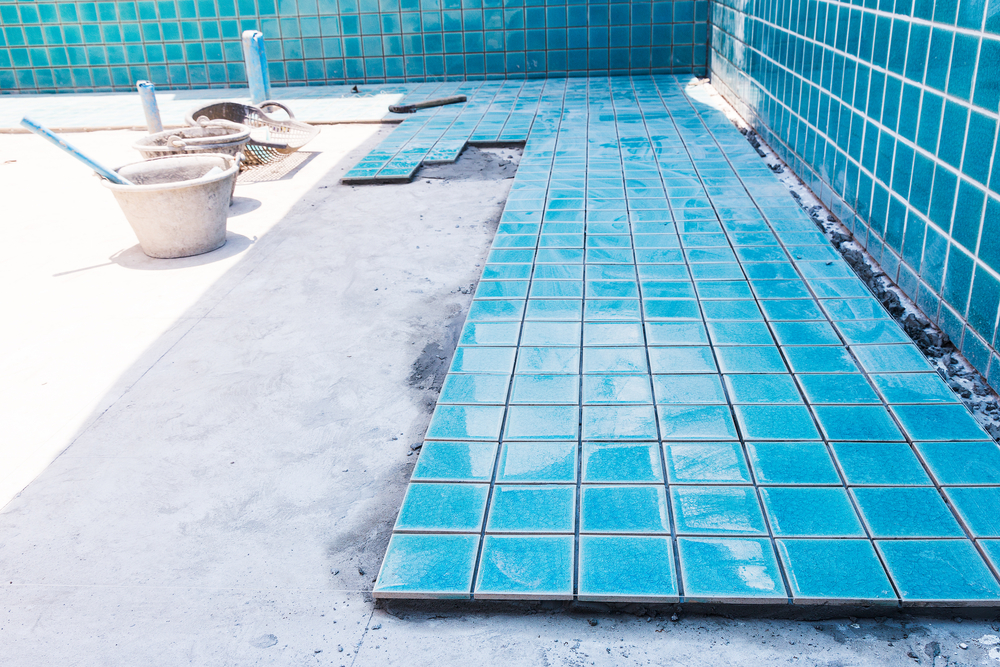
Swimming Pool Heater Basics, Needs and Types, Part 2

In part one of this two-part blog series, we went over some of the basics on the various pool heaters and related items available for your new swimming pool. Even in warm summer locations like Utah, water temperature will not always match the outdoor temperature, and in fact will often be a lot cooler – which is why many pool owners choose to install a heating component.

At Packman’s Pools, we’re happy to discuss heating elements and your options within this realm during any of our custom swimming pool design and construction planning sessions. During today’s part two of our series, we’ll dig into a couple other pool heater types available to you if you’re going down this road, plus how to choose the proper size for your heater.

swimming pool heater basics types

Electric Heat Pump

Slightly different from other heating formats, electric heat pumps work by pulling in heat from the air and transferring it into the pool’s water. This is done in a similar format to solar heaters, allowing for strong energy efficiency and better environmental friendliness than gas heater types.

Generally, electric heat pumps are very inexpensive to operate – between $50 and $100 a month in most cases, one of the most cost-effective options. They do come with a higher installation and up-front cost, often ranging from $2,000 all the way to $7,000 or higher for certain custom models, but this value is realized over years of efficient use and low operating costs.

One note: In areas that sit below 55 degrees Fahrenheit during the summer, electric heat pumps might not be an option. They generally require air temperature of at least 55 degrees to operate.

Gas Pool Heater

For those who live in cooler climates or want the fastest possible pool heating, gas pool heaters are usually the way to go. These models are not as energy-efficient, which is a big downgrade for some but might not be as large a concern to others.

Gas heaters cost far more to operate than other types, usually between $300 and $500 per month due to the need for gas power. Installation and up-front costs may be cheaper, but the expenses add up over a period of months or years. Gas heaters also may have a shorter lifespan than other heater types.

Choosing Proper Size

No matter which of the options we’ve listed here you end up choosing, pool heaters will be sized based on British Thermal Units, or BTUs. The greater number of BTUs your heater is rated for, the faster it can heat your pool – this means larger pools require higher BTU ratings, generally.

In most cases, pool heater output should be rated for 50,000 BTUs for every 10,000 gallons of water present in the pool. If your pool holds 40,000 gallons of water, then, your heater’s BTU output should be at least 200,000.

For more on choosing the ideal pool heater for your new swimming pool, or to learn about any of our pools or custom spa builders, speak to the staff at Packman’s Pools today.
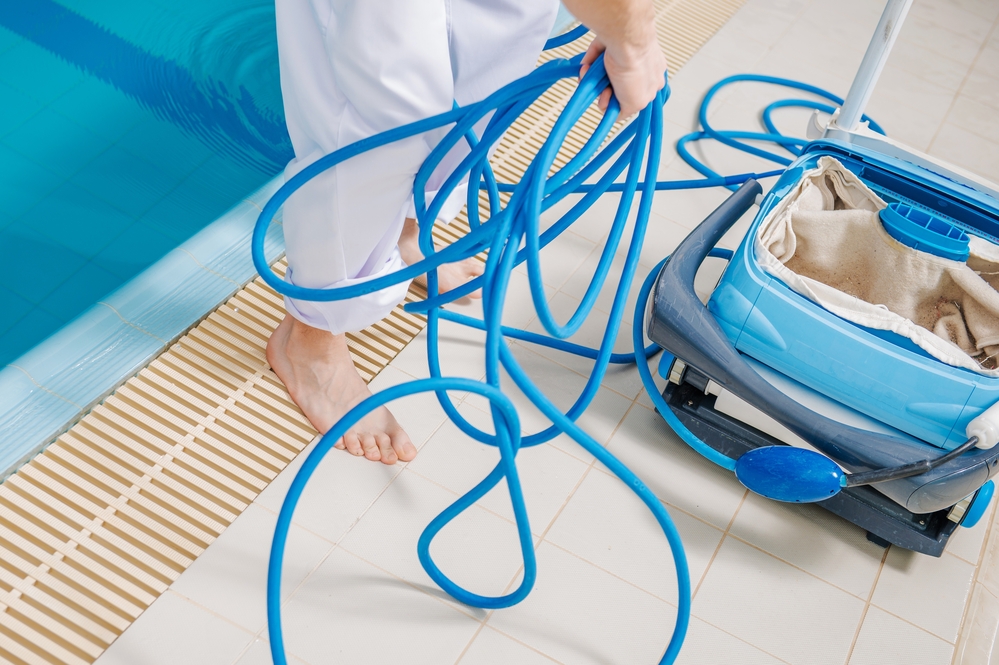
Risks Involved with DIY Swimming Pool Construction

At Packman’s Pools, we’re proud to serve as your full-service custom pool and spa construction experts. From basic pool construction, including design phases, all the way to installation on your property, we’re here to ensure you and your family get the perfect new swimming pool construction from our contractors.

And while we’re huge fans of handy, DIY homeowners who often try to handle certain home improvement projects on their own to save time and money, we cannot recommend this practice for the installation of a new swimming pool. There are several potential pitfalls even extremely handy homeowners – or essentially, anyone without specific training in pool design and construction – might fall into, from safety issues to problems with long-term pool design and many others. Let’s look at some of the specific reasons why we strongly recommend leaving pool design and construction to professionals.

risks swimming pool construction

Timing, Schedules and Delays

For starters, it’s important to realize that even experienced, professional pool builders deal with delays due to weather, contractor scheduling or other factors. And if this is an issue for pros who spend all their time building pools, imagine the hassle it might create for you if you have an entirely separate full-time job to attend to.

It’s important to note that even if you’re handling the bulk of the job on a DIY basis, you’ll be working with various specialists or sub-contractors. You have to plan around each of their schedules, plus any weather or other delays that arise.

Warranty Concerns

For many installing a new pool, warranties are a vital consideration. There are several potentially important varieties, including overall pool warranties, equipment warranties from manufacturers, and labor warranties offered by contractors.

When you attempt a DIY build, though, most or all of these warranties go out the window. In many cases where something goes wrong, you will be entirely on the hook for the damage.

Things Can Go Wrong

Speaking of things going wrong, there’s a long list of possible items here. There are numerous installation mistakes you might make without the proper training, from improper plumbing setup to the wrong thickness of concrete applications. Many homeowners often struggle with bonding the pool in the correct ways, as well. All of these concerns can lead to major structural problems with the pool, often costing you far more in the long run than you would have paid for a simple professional installation.

Mess and Clean-Up

Finally, understand that pool construction projects come with a major amount of materials and potential mess. When you perform a DIY installation, it’s on you to perform the proper clean-up here, a process that often takes weeks or months for non-professionals. Your yard will likely be in total disarray for this entire time period, and could even see permanent damage if you aren’t careful.

For more on why we strongly recommend against DIY pool installation, or to learn about any of our new pool or spa construction services, speak to the staff at Packman’s Pools today.

Chlorine, Bromine and Other Swimming Pool Sanitation Options, Part 3

In parts one and two of this multi-part blog series, we went over some of the differences between chlorine and bromine as pool sanitation options. While these aren’t the only two chemical options for purifying and sanitizing your pool, they are the two most common and the two easiest to find.

At Packman’s Pools, we’re here to provide everything from custom pool or hot tub construction to tips on proper pool usage and sanitation, including the chemicals you utilize. In today’s final installation of our series, we’ll go over some of the pros and cons of bromine and chlorine within several areas you have to consider when it comes to sanitation, including which is generally best for your hot tub.

chlorine bromine swimming pool sanitation

Cost Factors

One major factor for many pool owners when deciding which sanitizing chemical to use is the costs associated with it. Generally speaking, bromine is the more expensive chemical than chlorine – the gap here is small in most cases, but it can add up over time.

For outdoor pools, which require sanitation more often, bromine costs can get high and many such pool owners opt for chlorine instead. For indoor pools, however, the costs are often close enough together that other factors dictate your final choice.

Which is Easier?

When it comes to actually adding the chemical to the water on a regular basis, chlorine has more available methods for doing so. It can be added using tablets, granules, gas, liquid or even salt formats. Bromine, on the other hand, is usually just found in solid tablets, granules or sticks.

On top of this, those looking for pure chlorine in gas form can find it for pool sanitation. Pure elemental bromine, on the other hand, is not available.

Oxidation

If oxidation is a primary need for you as part of the sanitation process, your best choice is generally chlorine. It has much better oxidation powers, breaking down contaminants in the water directly.

Hot Tub Use

Finally, what if you’re looking for sanitation in your hot tub instead of your swimming pool? The differences between chlorine and bromine are extremely significant in this area.

Namely, bromine is the better chemical when it comes to performance at the kind of high temperatures often found in hot tubs. It’s also better in higher pH levels, which are generally found in hot tubs compared to pools. For this reason, unless there are significant factors pointing in the other direction, bromine should be your sanitation chemical of choice for your hot tub or spa.

For more on the sanitation chemicals to use in your pool or hot tub, or to learn about any of our custom pool building services, speak to the staff at Packman’s Pools today.
Chlorine, Bromine and Other Swimming Pool Sanitation Options, Part 1

When it comes to swimming pool sanitation, the most well-known chemical out there is certainly chlorine. But it’s not actually the only option out there for pool sanitation, and you actually have several other potential options depending on your needs.

At Packman’s Pools, we offer a wide rang of custom swimming pool construction services, assisting you with everything from pool design to material selection and much more, including assistance with your sanitation needs. The most common alternative to chlorine is a chemical called bromine – this two-part blog will go over some basics on each of these chemicals, some of the other options available, and how you can go about making your selection here.

chlorine bromine swimming pool sanitation

Chlorine

Technically speaking, pool chlorine is actually known as hypochlorous acid, a highly common substance used to sanitize indoor and outdoor pools and other water areas. Chlorine is so popular because it maintains a residual in the water – this means it keeps water sanitized over a long period instead of just temporarily. It also has oxidizing properties, which means it destroys contaminants and even acts as an algicide to stop algae from forming.

In its natural state, chlorine is a gas. However, it can be converted into several other formats for pool use, such as tablets, granules, liquid or even salt (using a salt chlorine generator). Each of these methods releases the acid into the water to kill and inactivate various possible pathogens or contaminants.

Bromine

Bromine, on the other hand, is also a sanitizer and algicide that’s used for spas and swimming pools. Its natural state is as a reddish-brown liquid, but like chlorine it can be converted to tablets, granules, sticks and even liquid sanitation products in many cases.

When you see the term bromine used for pool sanitation, it’s technically not pure bromine. Rather, the name is used to describe the release of hypobromous acid into the water, either through a two-part system activated by an oxidizer (more common for smaller pools or spas) or using dissolvable tablets or granules.

Other Sanitation Options

Now, while chlorine and bromine are the two most popular forms of pool sanitation generally found today, they are not the only such options. Others may include items like ionizers, hydrogen peroxide, biofilter systems and several more, some of which can be used in coordination with chlorine or bromine for optimal sanitation. If you’re wondering about what one of these other types of sanitizers might do for you, feel free to speak to our pros about their benefits and drawbacks based on your needs.

For more on chlorine, bromine or other pool sanitation options, or to learn about any of our custom pool design or construction services, speak to the staff at Packman’s Pools today.
Keeping Your Pool Free of Germs and Parasites, Part 1

There are many who generally avoid public swimming pools, and one of the top reasons here is based on parasites and bacteria that can be found in such locations. A combination of high body counts and limited maintenance can lead to such concerns in some cases, and this is one of several reasons why many who want to swim regularly invest in their own new swimming pool.

At Packman’s Pools, our pool builders are here to remind you that while these kinds of parasites or bacteria are certainly less common in your own custom pool, they’re still possible if you don’t follow a few basic procedures in terms of keeping the water clean and sanitary. In this two-part blog, we’ll detail a few important areas that take very little effort or time, and that are well worth it to keep you and other swimmers safe and healthy at all times. Today’s entry will focus on the chemicals found in your pool and how they help with pool sanitation.

pool free germs parasites

pH Levels

pH levels: The pH level of a body of water speaks to how acidic or alkaline the water is. The lower the number, the higher the acid content; the higher the number, the higher the alkaline content. Too high a number will cause you to be swimming in bleach, while too low a number will leave too much acid in the water for swimmers to be safe. Rather, the ideal number sits between 7.2 and 7.8 here.

Chlorine

Too much direct chlorine can be risky to swimmers, meaning this chemical is generally mixed with other elements to get a proper solution that kills germs and bacteria without impacting other areas like the color of the pool or skin and eye irritation. On the flip side, you have to ensure chlorine levels aren’t too low, otherwise they won’t kill the germs. The proper levels here range between 2.0 and 3.0 ppm (parts per million).

Alkalinity

Within a given pool, alkalinity is a measure of the carbonates, bicarbonates and hydroxides present in the water. When the levels here are too high, or above 120 ppm or so, it will be difficult or even impossible to properly adjust your pH levels. When the levels get below 80 ppm, on the other hand, the pH levels will change so quickly and often on their own that you also won’t be able to maintain them properly.

Cyanuric Acid

Abbreviated CYA, cyanuric acid is in place for one purpose: To stop chlorine from being absorbed by the sun and being rendered useless. Keep its levels between 20 and 50 ppm at all times – too far below this level means too little chlorine, while too far above messes with pH again.

Calcium Hardness

Finally, calcium hardness is a term that speaks to how soft or hard the water is – how much calcium is present. When there’s under 200 ppm present, water is considered soft and may absorb calcium off pool walls or other sources, not a desirable outcome. When the number is above 400 ppm, the water will be hard and cloudy.

For more on how to keep your pool free of germs and parasites, or to learn about any of our custom swimming pool design or construction services, speak to the staff at Packman’s Pools today.

Basics and Benefits of Tanning Ledges in Custom Pools, Part 2

In part one of this two-part blog series, we went over some of the basics regarding tanning ledges in pools. A customization area that’s becoming more and more common in recent years, the tanning ledge offers both comfort and aesthetics to many different pool types and designs.

At Packman’s Pools, we offer a wide variety of custom pool construction options, including tanning ledges when desired. What are some of the common materials used for tanning ledges, and how can you customize these options to fit your needs? We’ll go over this plus some installation tips in today’s blog.

tanning ledges custom pools

Tanning Ledge Material Options

There are two primary choices you have when installing a tanning ledge: Choosing a pool model that has one built-in, or installing one beside the main pool shell itself. Regardless of which choice you make, ledges are generally available in three common materials:

  • Concrete: Concrete is a top option due to its ease in customization – it can be built to virtually any shape or size, and placed anywhere within your pool design. One minor downside with concrete is that the surface isn’t quite as smooth as others, meaning kids who want to run and play on the surface might be out of luck.
  • Vinyl: Vinyl liners are extremely affordable and smoother than concrete surfaces. They are also more sensitive to wear and tear, however, and they require proper sealing to prevent leaks.
  • Fiberglass: For the best combination of smoothness and safety, fiberglass is the way to go. It’s completely safe, and also helps leave plenty of swim space open. Fiberglass ledges are not quite as customizable, however, a consideration you should remember.

Customization Features

While customizing the shape and size of your tanning ledge often relates to which material you use and the shape of your pool overall, there are a few other features you can also consider. Many people include lights with their tanning ledges, for instance, and others choose bubblers that shoot streams of water above the pool’s surface – creating a fountain-like effect. Some even combine these two services, placing a built-in light within the bubbler that offers great aesthetics and a fun area for kids to play around in.

Tanning Ledge Installation

You should always discuss the building and construction of a tanning ledge before installation. Within this area, another distinct benefit of fiberglass is the time it takes to install – it only takes a couple hours, this compared to day-long projects for most vinyl or concrete ledges. Speak to our pros in advance about tips and safety areas for the installation of such a ledge in a previous pool model.

For more on tanning ledges, or to learn about any of our custom pools or hot tub options, speak to the staff at Packman’s Pools today.