

Installing a spa is an exciting step toward creating a relaxing backyard retreat. Compared to traditional custom-built spas, fiberglass models offer a faster and more streamlined installation. Understanding the fiberglass spa installation process can help homeowners prepare their property, anticipate timelines, and enjoy a smooth installation experience from start to finish.
Fiberglass spas are manufactured off-site and delivered as a single molded unit, which dramatically reduces construction time while maintaining durability and design consistency. Because the structure is already complete when it arrives, installation focuses primarily on preparing the site, placing the spa, and connecting the necessary systems.
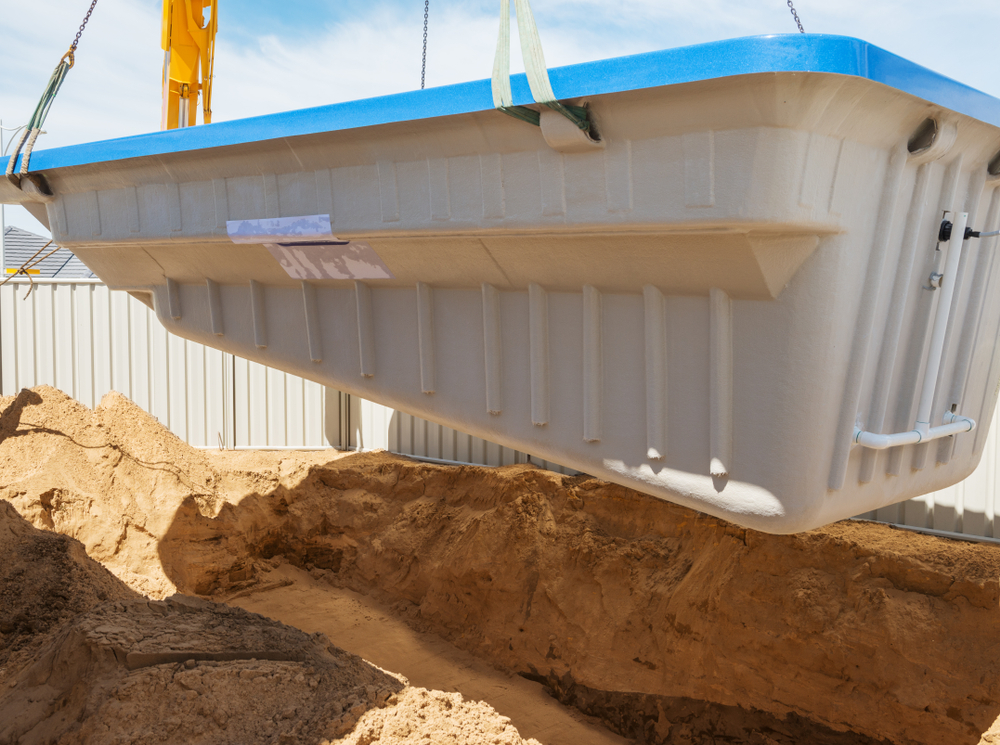
Phase 1: Site Preparation
The first stage of the fiberglass spa installation process involves preparing the area where the spa will be installed. Proper preparation ensures long-term structural stability and optimal performance.
Key Site Preparation Steps
Excavation and base preparation
The installation area must be cleared and excavated to accommodate the spa shell and foundation. Installers typically create a stable base using compacted gravel, sand, or a concrete pad depending on the project design.
Leveling the foundation
A perfectly level surface is essential. Even small variations in the base can affect the spa’s structural integrity or water distribution.
Drainage considerations
Proper drainage around the spa prevents water accumulation and soil shifting that could affect the installation over time.
These steps ensure the spa sits securely and remains structurally sound throughout years of use.
Phase 2: Delivery and Placement
Once the site is ready, the spa is delivered to the property. Since fiberglass spas are pre-molded units, they typically arrive fully formed and ready for installation.
How Placement Works
Transportation to the property
The spa is delivered by truck and carefully unloaded using specialized equipment.
Positioning the spa
Depending on access limitations, installers may use cranes, forklifts, or spa dollies to position the unit into the prepared space.
Final alignment and leveling
Before moving forward, the spa is checked again to ensure it is perfectly level and positioned correctly within the surrounding landscape or decking.
This phase often happens quickly—sometimes within a single day—because the spa structure itself does not require on-site construction.
Phase 3: Plumbing and Electrical Hookups
With the spa in place, the next step in the fiberglass spa installation process is connecting the essential systems that allow the spa to operate safely and efficiently.
Plumbing Connections
Installers connect the spa’s plumbing lines to the filtration and circulation system. These connections ensure proper water flow, filtration, and heating performance.
Electrical Setup
Fiberglass spas require a dedicated electrical connection to power pumps, heaters, lighting, and control systems. This step must be completed by a licensed electrician to ensure safety and compliance with local electrical codes.
Common electrical requirements include:
- Dedicated circuit breakers
- Ground fault circuit interrupter (GFCI) protection
- Proper wiring and voltage configuration
Once the plumbing and electrical systems are connected, the spa is ready for testing and system checks.
Phase 4: Backfilling and Structural Support
After the spa is connected and tested, installers carefully backfill the surrounding area. This step stabilizes the spa shell and integrates it with the landscape.
Materials such as gravel or sand are typically used to support the spa walls while preventing pressure imbalances. Proper backfilling ensures the structure remains evenly supported once filled with water.
This phase also helps prepare the surrounding area for additional landscaping, decking, or patio construction.
Installation Timeline: Why Fiberglass Spas Are Faster
One of the biggest advantages of fiberglass spas is their shorter installation timeline compared to custom-built gunite or concrete spas.
Typical Installation Timeframes
- Fiberglass spa installation: often completed within a few days once site prep is finished
- Custom concrete spa construction: may take several weeks due to forming, curing, and finishing processes
Because fiberglass units are manufactured in controlled environments, the on-site work focuses mainly on installation and system setup rather than full construction.
This efficiency makes fiberglass spas an appealing option for homeowners who want a faster path to enjoying their backyard spa.
Common Site Requirements Homeowners Should Know
Before installation day arrives, homeowners should ensure their property meets several key requirements.
Adequate Access
The spa must be able to reach the installation area. Installers need sufficient space for equipment, delivery trucks, or cranes if required.
Stable Ground Conditions
The ground should be firm and properly prepared to support the spa’s weight when filled with water and occupied.
Electrical Preparation
A licensed electrician may need to install a dedicated electrical line ahead of installation to prevent delays.
Addressing these requirements early helps ensure the fiberglass spa installation process goes smoothly.
Post-Installation Setup and First Use
Once the spa is installed and connected, a few final steps take place before the first soak.
Filling the Spa
The spa is filled with water and the filtration system is activated.
System Testing
Installers verify that pumps, heaters, and jets operate correctly and that all connections are functioning properly.
Water Chemistry Balancing
Initial chemical balancing ensures the water is safe and comfortable for use while protecting the spa’s internal components.
After these steps are complete, homeowners can begin enjoying the relaxation and therapeutic benefits of their new spa.
If you’re exploring options for premium Spas, understanding the installation process can help you feel confident and prepared for your new backyard feature.
Final Thoughts
The fiberglass spa installation process is designed to be efficient, predictable, and minimally disruptive compared to traditional spa construction. By breaking the project into clear phases—site preparation, placement, system hookups, and finishing—homeowners gain a better understanding of what to expect during installation.
With proper planning, professional installation, and attention to site requirements, a fiberglass spa can be installed quickly and provide years of relaxation and enjoyment in your outdoor space. Partnering with experienced professionals like Packman’s Pools ensures your spa is installed correctly, efficiently, and ready for many seasons of safe, enjoyable use.
